The Psychological Effects of Credit Card Use: Impulsive Buying and Indebtedness
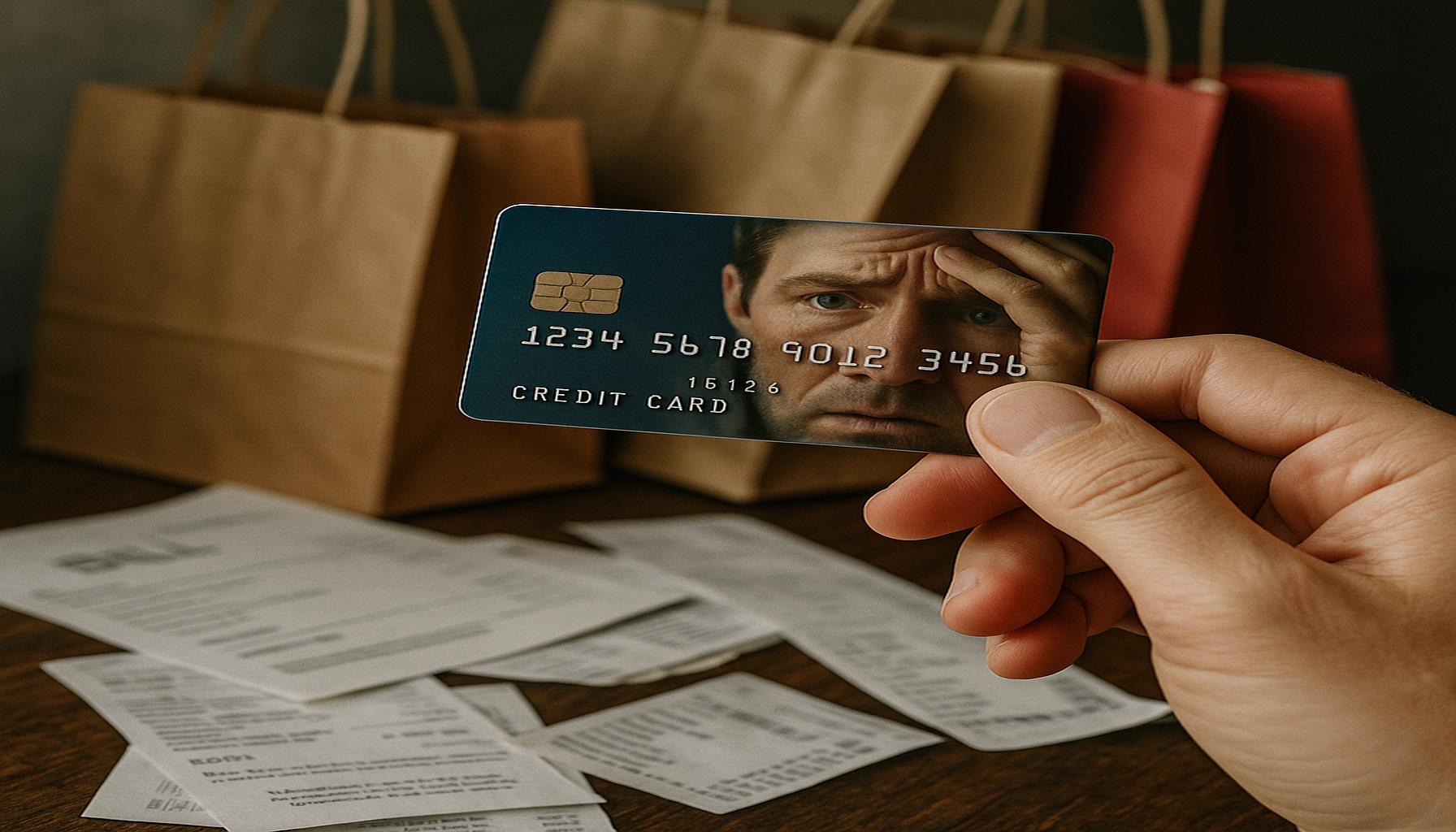
The Psychological Effects of Credit Card Use
Credit cards have seamlessly woven themselves into the fabric of personal finance in the United States, offering consumers not just convenience but also a set of psychological implications that can significantly impact decision-making and emotional well-being. Understanding these effects is essential, as they can influence not only spending habits but also overall financial health.
Impulse Buying: A Hidden Trap
One of the most notable behavioral phenomena associated with credit card use is impulsive buying. This type of spending often occurs quickly and without much forethought, leading to financial strain. Several factors contribute to this behavior:
- Instant gratification: In a culture that often prioritizes immediate rewards, consumers may make purchases with the expectation of gaining instant pleasure. For instance, buying the latest smartphone at the swipe of a card can provide a quick dopamine fix, momentarily overshadowing budget considerations.
- Social pressure: Peer dynamics play a significant role in impulsive purchases. Consider a scenario where friends dine at an upscale restaurant; the desire to fit in or impress can lead to overspending on lavish meals or expensive drinks that may not have been budgeted for.
- Ease of use: The speed and simplicity of swiping a card can make it easy to overlook expenditures. For example, purchasing a coffee daily may seem insignificant, yet over time, these small transactions can accumulate into a substantial financial burden without the consumer ever realizing it.
The Heavy Burden of Indebtedness
Excessive use of credit cards can lead to serious indebtedness, which can, in turn, adversely affect mental health.
- Stress and anxiety: The pressure of repaying credit card balances can heighten feelings of anxiety. Many individuals dread the arrival of monthly statements, fearing the totals will exceed their ability to pay.
- Regret: After impulsively purchasing items that weren’t truly needed, many consumers experience feelings of remorse. They often question their decisions, asking themselves why they spent money on temporary pleasures that ended up collecting dust.
- Fear of judgment: As credit card debt accumulates, some may fear the judgment of friends, family, or colleagues regarding their financial status. This fear can lead to isolation and further exacerbate mental health issues.
Seeking Understanding for Financial Well-being
Recognizing these psychological impacts is vital for consumers striving to maintain financial health. Being aware of how credit cards can influence behavior enables individuals to take proactive steps towards more responsible spending. Simple strategies such as setting a strict budget, utilizing cash for certain purchases, or developing a savings plan can serve as effective countermeasures to impulsive spending.
In conclusion, credit cards are a powerful financial tool that can significantly shape consumer behavior. By understanding the potential psychological traps associated with their use, individuals can make more informed choices, fostering both financial stability and improved mental well-being.
DISCOVER MORE: Click here to delve deeper
Understanding Impulse Buying and Its Consequences
When it comes to credit card use, impulse buying stands out as a prevalent issue that many consumers face. It’s essential to recognize how this phenomenon unfolds and why it frequently leads to financial difficulties. Impulse buying can be triggered by several psychological factors, each interplaying with the ease of credit card transactions.
The Mechanics of Impulse Buying
At its core, impulse buying occurs when consumers make unplanned purchases, often leading them to buy items they do not need or cannot afford. This behavior is fueled by various stimuli:
- Advertising and Marketing Strategies: Companies target consumers through persuasive techniques, creating a sense of urgency or exclusivity around their products. For example, limited-time sales or exclusive discounts on credit purchases can prompt individuals to buy items they wouldn’t typically consider.
- Emotional Triggers: Emotional states such as boredom, sadness, or stress can propel an individual toward impulse purchases as a form of self-soothing. Shopping can provide a temporary distraction or relief, leading people to buy more than they can afford, particularly when using credit cards.
- Unconscious Spending Associations: When consumers use credit cards, it can lead to a disconnection from the concept of actual money. The tactile experience of handing over cash is absent, making it easier to lose track of spending. This psychological distance can result in the feeling that credit limits are merely numbers, rather than real money that incurs debt.
The implications of these factors are far-reaching. Impulsive purchases often lead to buyers’ remorse, particularly when individuals later realize they’ve spent beyond their means. Over time, these small impulsive decisions can accumulate, creating a cycle of debt that is hard to escape.
Pathway to Indebtedness
The initial thrill of an impulsive purchase can quickly transform into a burden as payments start piling up. Consumers may find themselves in a cycle trapped by indebtedness, where the enjoyment of their purchases is overshadowed by the stress of repaying what they owe. The consequences of this financial strain are profound, affecting not only fiscal stability but also overall mental health. Here are some common outcomes:
- Increased Financial Stress: As monthly payments loom, individuals often grapple with anxiety, leading to sleepless nights and elevated stress levels. The weight of accumulated debt can lead to significant mental health challenges, including depression.
- Strained Relationships: Financial hardships can create rifts within families or friendships. Conversations around money can become tense, leading to isolation or conflict as individuals may shy away from discussing their financial situation.
- Impact on Future Financial Goals: Persistent debt can hinder the ability to save for important life milestones, such as buying a home or planning for retirement. This can foster a troubling sense of hopelessness about one’s financial future.
Understanding the psychology behind impulse buying and its direct link to indebtedness is crucial for navigating the maze of credit card use. Recognizing these behavioral patterns empowers consumers to make more informed choices, ultimately fostering a healthier relationship with their finances.
DON’T MISS OUT: Click here for a step-by-step guide
The Role of Behavioral Economics in Credit Card Use
Understanding the interplay between credit card use, impulse buying, and indebtedness also invites a closer look at the field of behavioral economics. This discipline sheds light on how psychological factors influence economic decisions, helping us comprehend why consumers often act against their self-interests, especially in the realm of credit card spending.
Present Bias and Delayed Gratification
One significant concept in behavioral economics is present bias, which refers to the tendency of individuals to prioritize immediate rewards at the expense of long-term consequences. This trait can manifest strongly in credit card use. When faced with the option to buy an item now and pay later, the immediate satisfaction of acquiring a desired product often overshadows the delayed repercussions of carrying credit card debt. For instance, a consumer may purchase a new electronic gadget using credit, feeling joy and excitement, while simultaneously neglecting the future financial obligation they will face once the bill arrives.
This phenomenon underscores the challenge of delayed gratification. Many consumers struggle to postpone their desires for the sake of long-term financial health. Research shows that individuals who have difficulty delaying gratification tend to have a higher propensity towards impulse buying and accumulating debt. Consequently, employing strategies to mitigate present bias can be beneficial, such as setting strict budgets, using cash for purchases, or adopting cooling-off periods before making significant purchases.
Loss Aversion and Regret Minimization
Another relevant concept is loss aversion, which posits that individuals feel the pain of loss more acutely than the pleasure of gains. This can exacerbate impulsive spending behaviors. For example, if a consumer sees a flashy advertisement for a must-have item with the threat of limited availability, they may rush to buy it, fearing they will miss out. The emotional weight of losing the item—fueled by feelings of regret—overrides logical considerations of financial consequences.
Moreover, once an individual becomes aware of their impulsive purchase, the psychological mechanisms of regret and shame can lead to a vicious cycle. The consumer may experience guilt for overspending and, in an attempt to alleviate that feeling, might resort to further impulsive buying to seek emotional comfort, perpetuating the cycle of debt.
Strategies for Mitigating the Psychological Effects
Once individuals recognize these psychological tendencies, implementing strategies can help mitigate negative financial impacts. Here are several practical techniques:
- Create a Budget: Establishing a monthly budget can help consumers set clear limits on their spending. By allocating a specific amount for discretionary purchases, individuals are less likely to engage in impulse buying.
- Utilize Spending Alerts: Many credit cards offer alerts for spending thresholds. Setting these notifications can increase awareness and trigger more mindfulness regarding purchases.
- Embrace Cash-Only Spending: Transitioning to cash for daily expenses may reinforce a clearer awareness of financial limits and prevent overspending inherent to credit card use.
- Seek Support: Talking to friends or family about financial goals can foster accountability. Support groups focused on financial education can also provide helpful tips and reinforce positive financial habits.
By understanding the psychological underpinnings behind credit card use, individuals can make more informed and responsible decisions, thus steering clear of the pitfalls of impulsivity and indebtedness.
DON’T MISS OUT: Click here to learn how to apply
Conclusion
In summary, the psychological effects of credit card use can significantly influence our spending habits, leading to challenges such as impulsive buying and indebtedness. Recognizing the underlying factors, such as present bias and loss aversion, is essential for understanding why consumers often make decisions that contradict their financial well-being. The thrill of immediate gratification can overshadow the reality of accruing debt, creating a cycle that can be difficult to break.
However, by adopting a range of practical strategies, individuals can combat these tendencies. Establishing a budget, utilizing spending alerts, engaging in cash-only purchases, and seeking support from friends or family can foster healthier financial behaviors. These proactive measures not only promote financial responsibility but also encourage a greater sense of control over one’s financial life.
Ultimately, the journey to responsible credit card use begins with awareness of psychological factors and a commitment to informed decision-making. By acknowledging these influences and implementing strategies to counteract them, consumers can mitigate the risks associated with credit and pave the way towards a more secure and financially sound future. Embracing discipline and mindfulness in spending will not only protect one’s financial health but also enhance overall well-being, minimizing the stress associated with financial burdens.

Linda Carter
Linda Carter is a writer and financial expert specializing in personal finance and financial planning. With extensive experience helping individuals achieve financial stability and make informed decisions, Linda shares her knowledge on the our platform. Her goal is to empower readers with practical advice and strategies for financial success.