How Climate Change Affects the New Zealand Economy
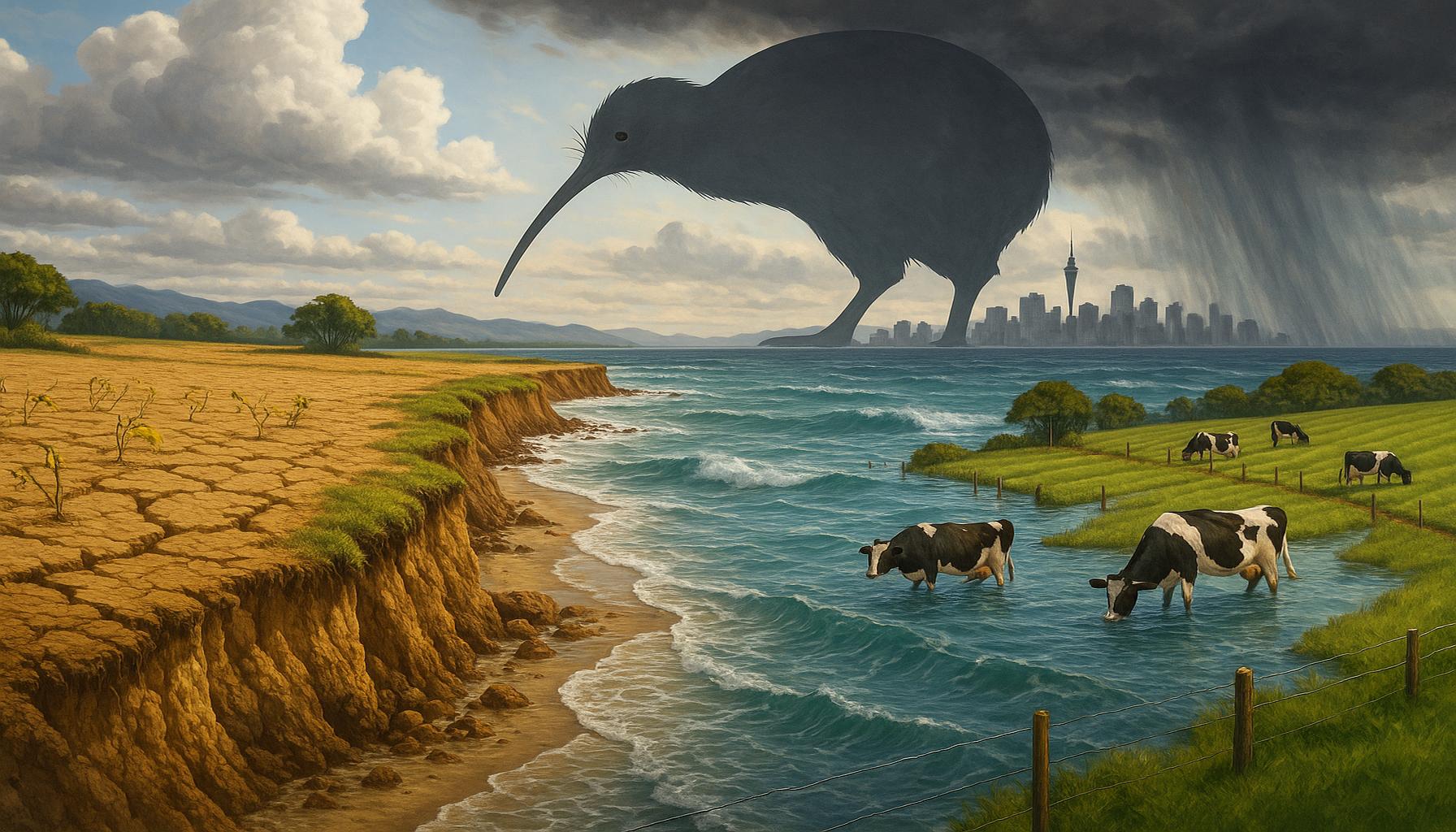
Understanding the Economic Impacts of Climate Change in New Zealand
New Zealand is experiencing the tangible effects of climate change, influencing various sectors and demanding urgent attention. While its breathtaking landscapes—ranging from pristine beaches to majestic mountains—are a source of national pride, the economic implications of climate change threaten not only the environment but also the livelihoods of countless Kiwis.
Agriculture: A Growing Concern
The agricultural sector, a cornerstone of New Zealand’s economy, is particularly vulnerable to shifting climate conditions. Predicted changes in rainfall patterns and the increase in extreme weather events could severely disrupt crop yields and livestock production. For example, recent droughts in areas like Hawke’s Bay have highlighted the vulnerability of fruit and vegetable farmers, impacting supply chains and local economies.
Moreover, the rise in pests and diseases attributed to warmer temperatures opens new challenges for farmers. Consequently, adapting farm management practices—such as investing in drought-resistant crop varieties or implementing precision farming technology—becomes imperative. While the upfront costs can be substantial, the long-term benefits include not only sustainability but also potential access to new markets focused on environmentally-friendly products.
Tourism: A Pillar Under Threat
Another critical sector, tourism, is feeling the heat. New Zealand’s unique natural attractions, including the Great Barrier Island and Fiordland National Park, are at risk due to climate change-related threats like rising sea levels and increased weather volatility. When tourist attractions are compromised, it adversely affects the local economy, particularly in regions heavily dependent on tourism for employment and income.
In response, the tourism industry must pursue sustainable practices—such as eco-tourism initiatives that promote conservation efforts while attracting visitors. Investments in this area could not only mitigate negative impacts but also result in new revenue streams that emphasize the conservation of New Zealand’s natural beauty.
Insurance Costs: A Financial Burden
As the frequency of natural disasters escalates, insurance costs are expected to rise. This shift presents significant challenges for businesses that rely on affordable insurance to protect against potential losses. In fact, according to recent studies, regions prone to flooding and other climate-related disasters may see their insurance premiums double or triple, making it difficult for small enterprises to survive.
This situation underscores the need for proactive measures, such as investing in more resilient infrastructure and disaster preparation plans. The government, along with the private sector, must collaborate to strengthen risk assessment models and promote comprehensive insurance policies that reflect the realities of climate-induced risks.
Investment in Adaptation and Innovation
To face these challenges head-on, adapting to climate change necessitates significant financial investment. Upgrading infrastructure to withstand potential impacts—like constructing sea walls or implementing better drainage systems in coastal areas—is crucial. These upgrades require careful planning and allocation of resources to ensure long-term viability.
Furthermore, research and innovation in sustainable technologies represent a fruitful opportunity for New Zealand. Investments in renewable energy sources, like solar and wind, as well as carbon capture and storage, could not only mitigate adverse effects but also foster economic growth. By embracing such technologies, New Zealand could lead the way in the global green economy, creating jobs and attracting investment.
In light of these pressing challenges and opportunities, a thorough understanding of the implications of climate change is essential for all stakeholders in New Zealand. This will enable manufacturers, policymakers, and citizens to navigate the complexities of the changing landscape effectively, ensuring a sustainable future for the nation.
SEE ALSO: Click here to read another article
The Ripple Effects of Climate Change on Key Economic Sectors
Recognizing the economic implications of climate change requires an assessment of how various sectors are intertwined and the potential cascading effects that may occur. As New Zealand grapples with the realities of a changing climate, understanding these repercussions is vital for maintaining economic stability and ensuring long-term sustainability.
Forestry: A Double-Edged Sword
New Zealand’s forestry sector, which contributes significantly to exports, faces both opportunities and challenges in the wake of climate change. While trees absorb carbon dioxide, helping to mitigate climate impacts, the sector must also deal with the increasing risks of pests and diseases due to warmer climates. This could lead to a decline in timber quality and availability, threatening export revenues.
In 2021, the New Zealand forestry industry was valued at approximately NZD 5.5 billion, with a significant portion derived from export markets. If adverse climate conditions continue, the sector could see a potential decline of up to 30% in export value by 2040, depending on the severity of impacts. As a proactive measure, forestry management must pivot towards sustainable practices, including implementing climate-resilient species and enhancing monitoring systems for pests.
Fisheries: Navigating Uncharted Waters
The fishing industry is another vital sector vulnerable to climate impacts, especially ocean temperature changes and acidification. With 15% of New Zealand’s export earnings coming from fishing, disruption in fish stocks can cause financial strain. Warmer waters may lead to shifts in species distribution, forcing fishermen to travel further for catches or adapt to new, unfamiliar species.
Some species, such as snapper and hoki, may become less abundant, while others may proliferate. Changes in currents can affect breeding seasons, impacting catch availability and revenue. The Ministry for Primary Industries has noted that adapting to these variations will require significant investment in research and monitoring to inform sustainable fishing practices and stock management.
Potential Economic Scenarios
To contextualize the potential economic effects of climate change, businesses and policymakers can consider several scenarios:
- Minimal Impact Scenario: If climate change is mitigated effectively, agricultural and forestry sectors could maintain current output levels. Investment in climate-smart agriculture and pest management may prevent losses.
- Moderate Impact Scenario: Should climate change proceed with minimal intervention, there could be gradual declines in yields, especially in drought-prone regions, leading to increased prices and reduced availability of key products.
- Severe Impact Scenario: Without significant adaptation efforts, New Zealand’s economy may face critical disruptions, including substantial losses in agriculture, fisheries, and tourism revenues, potentially exceeding several billion dollars annually.
Understanding these scenarios is essential for stakeholders, enabling informed decision-making to mitigate risks and capitalize on emerging opportunities. As climate change continues to redefine the economic landscape, strategic planning at all levels will be crucial for safeguarding New Zealand’s economic future.
SEE ALSO: Click here to read another article
Vulnerabilities in the Infrastructure and Tourism Sectors
In addition to critical industries like forestry and fisheries, climate change poses substantial risks to New Zealand’s infrastructure and tourism sectors, both pivotal to the economy. An in-depth understanding of these vulnerabilities can help inform policy and investment decisions aimed at safeguarding these essential components of the national economy.
Infrastructure: The Cost of Adaptation
As climate change brings about more frequent and severe weather events, New Zealand’s infrastructure—ranging from roads and bridges to water supply systems—faces increased stress. The infrastructure sector’s annual expenditure in New Zealand is estimated to be around NZD 30 billion, with thousands of kilometers of roads and key rail networks at risk of flooding or erosion as sea levels rise.
Research from the Integrated Marine and Coastal Area Project indicates that by 2050, severe weather could necessitate around NZD 14 billion in additional adaptations to public infrastructure. Investments in flood defenses, drainage systems, and coastal protection measures will be essential to mitigate costs associated with repairs and ensure public safety. For instance, Auckland, which is especially vulnerable due to its peninsula geography, may face annual costs in excess of NZD 1 billion related to infrastructure adaptation by mid-century if proactive measures are not instituted.
Tourism: A Shifting Landscape
The tourism sector, accounting for approximately 20% of New Zealand’s export earnings, is similarly threatened by climate change. With natural beauty, adventure tourism, and biodiversity drawing millions of tourists each year, even slight alterations in climate patterns can deter visitors. Recent studies suggest that adverse climate effects could reduce visitor numbers dramatically if hiking trails become less accessible due to flooding or if summer seasons become too prolonged and hot for traditional outdoor activities.
For example, ski tourism, which greatly influences the Southern Alps’ economy, is at risk due to dependency on consistent snowfall. Projections indicate that if warming trends persist, ski seasons could shrink by as much as 50% by 2100. This presents a potentially crippling scenario for many regional economies reliant on winter sports tourism, further necessitating diversification within these communities.
Long-Term Economic Projections and Investment Needs
Considering the interconnections between climate change, infrastructure, and tourism, the long-term economic projections underline the urgency of proactive investments. According to the New Zealand Climate Change Commission, if current emissions trajectories continue unaltered, the economy could face losses of NZD 7.1 billion annually by 2050, compelling the government and private sector to invest in climate-resilient initiatives. Investment needs may reach NZD 16.7 billion nationwide, focusing on sustainable infrastructure development, emergency preparedness, and tourism diversification strategies.
By fostering an environmentally responsible economy, New Zealand can redefine itself as a global leader in sustainability, potentially enhancing its reputation, attracting eco-conscious tourists, and creating green jobs. However, the need for robust planning and significant funding cannot be overstated, as the stakes have never been higher for protecting not just the economy, but also the unique environmental heritage that underpins much of the nation’s identity and prosperity.
SEE ALSO: Click here to read another article
Conclusion: The Imperative of Climate Action for Economic Stability
In summary, the implications of climate change on the New Zealand economy are profound and multifaceted, influencing critical sectors such as infrastructure and tourism. With projected annual losses reaching NZD 7.1 billion by 2050 if no action is taken, the urgency for proactive measures is evident. The need for an estimated NZD 16.7 billion in investments towards sustainable infrastructure and adaptive strategies can no longer be sidelined. Failure to address these vulnerabilities could lead to irrevocable damage not only to economic stability but also to the unique environmental heritage that New Zealandans hold dear.
As natural disasters become increasingly prevalent and tourism is adversely affected by changing climate patterns, the importance of resilience cannot be overstated. Proactive investment in climate-resilient infrastructure and the diversification of the economy—particularly in tourism-dependent regions—are essential for safeguarding livelihoods and maintaining competitiveness in a global market that values sustainability. Emerging opportunities, such as eco-tourism and green job creation, present a pathway to not only mitigate economic risks but also position New Zealand as a leader in sustainable practices.
Thus, the convergence of climate action and economic foresight will determine the future trajectory of New Zealand’s economy. By aligning policies, enhancing community engagement, and prioritizing sustainability, the country can navigate the challenges posed by climate change while fostering a robust and resilient economy for generations to come.