Effects of Geopolitical Tensions on Financial Market Fluctuations
Understanding Geopolitical Influences on Financial Markets
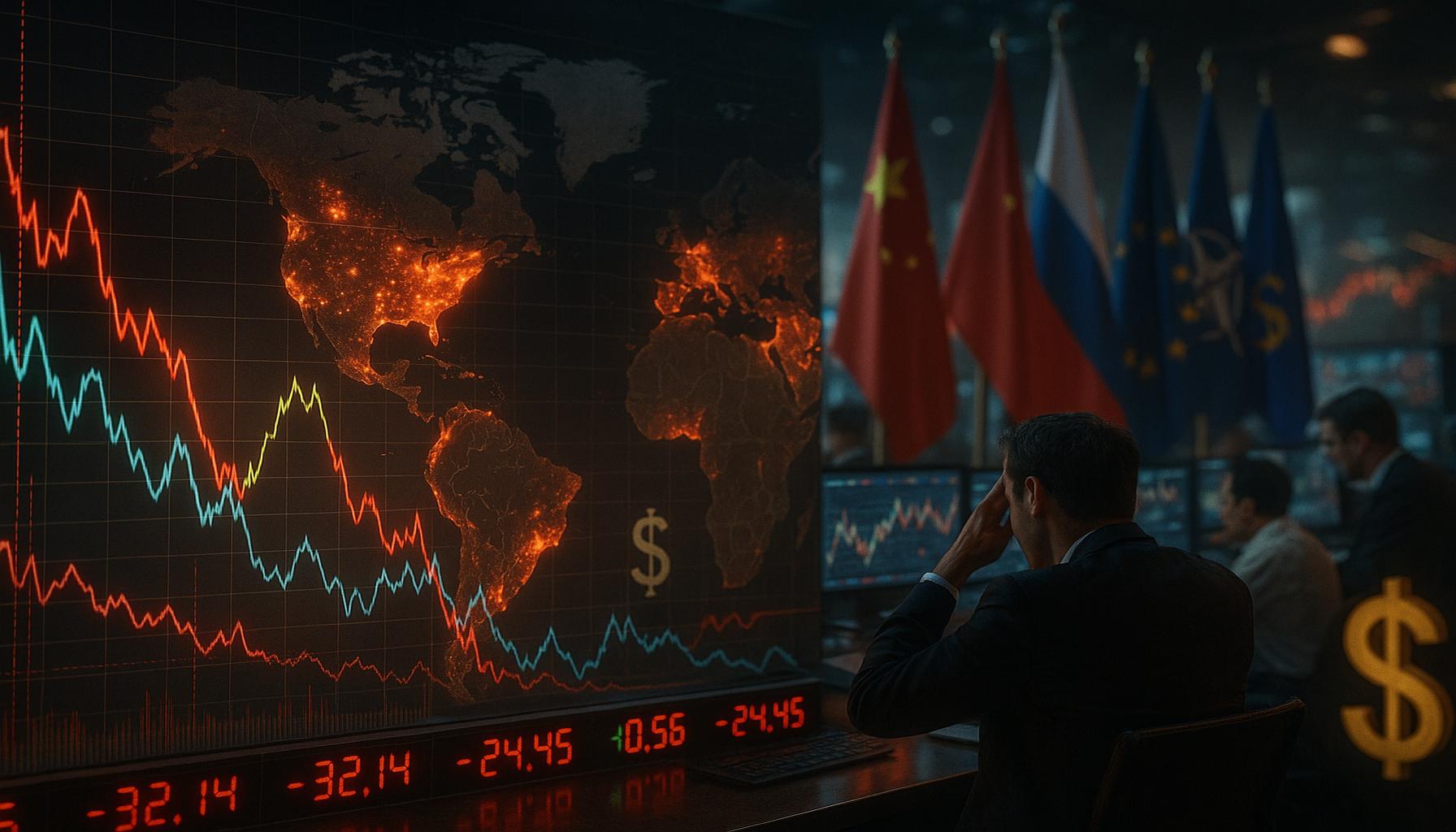
In today’s interconnected world, nothing can be more unpredictable than the interaction between geopolitical events and financial markets. Political strife, international conflicts, and even natural disasters can stir investor emotions, causing rapid shifts in market dynamics. This unpredictability often leads to what is known as market volatility, where prices can fluctuate wildly in response to breaking news or updates.
Market Volatility: Historically, certain geopolitical events have triggered significant market swings. For instance, when tensions escalated in the Middle East, the stock market often responded with a sell-off, as investors rushed to reduce their exposure to perceived risk. A concrete example is the Gulf War in 1990-1991; during this period, stock prices plummeted as investors feared the potential disruption to oil supplies, leading to increased prices at the gas pump. Understanding such reactions helps investors anticipate potential market movements in response to similar events today.
Investor Behavior: During times of uncertainty, investor psychology plays a crucial role in decision-making. Generally, fear leads investors to seek refuge in safer assets, such as government bonds, gold, or even real estate. For instance, in the wake of the 2016 Brexit referendum, many investors turned to gold, pushing its price upward as concerns about the economic implications of the United Kingdom leaving the European Union mounted. This behavior underscores the “flight to safety” phenomenon, which investors should be aware of during moments of geopolitical tension.
Sector Impact: Different sectors can react uniquely to geopolitical events. The energy sector, for example, is often directly influenced by geopolitical crises that threaten oil supply chains. When conflicts arise in oil-rich regions, such as Libya or Iraq, the price of oil often surges, which can lead to increased profits for energy stocks. Conversely, industries like travel and tourism may see declines due to fears of conflict or civil unrest in specific areas. Thus, understanding these sector-specific impacts is essential for making informed investment decisions during turbulent times.
Moreover, it is important to recognize that financial markets do not always behave logically in the face of geopolitical upheaval. Sometimes, markets may overreact to news, leading to sudden price drops that may not align with the actual implications of the events. For instance, the initial market response to the COVID-19 pandemic led to significant losses, but many sectors eventually rebounded as economies adapted to the new reality.
Conclusion: Understanding these dynamics is not merely an academic exercise; it is a vital skill for any investor looking to navigate the complexities of the financial landscape. By closely analyzing how geopolitical events shape market movements, one can develop a more strategic approach to investing, ultimately making more informed and thoughtful decisions during uncertain times.
DISCOVER MORE: Click here for a step-by-step guide
The Immediate Effects of Geopolitical Events on Market Trends
When geopolitical tensions arise, one of the first observed effects is a swift reaction in financial markets. These events often create a ripple effect, influencing not only the immediate market conditions but also the broader economic climate. Investors closely monitor the news and geopolitical developments, reacting based on their interpretations of these events, which can lead to significant volatility.
Market Indices and Economic Indicators: Major financial indices such as the S&P 500, Dow Jones Industrial Average, and NASDAQ are quick to reflect the immediate effects of geopolitical tensions. For example, during periods of heightened tension, these indices might experience drastic declines as investors react to the uncertainty. A notable instance occurred in 2001, following the September 11 attacks, when the stock market experienced its largest one-day point drop at that time, reflecting widespread panic and uncertainty about the future.
Supply Chain Disruptions: Geopolitical tensions can have profound effects on global supply chains, which in turn affect corporate profitability and stock performance. Industries that rely heavily on imports or exports may see their stock prices fluctuate based on potential disruptions. For instance, during escalating tensions between the United States and China regarding trade policies, many investors observed fluctuations in technology stocks due to fears of tariffs and supply chain instability. The immediate concern over the availability and cost of goods can drive stock prices down, while companies better insulated against such turmoil may see their stocks remain relatively stable.
Economic Sanctions and Trade Policies: In situations of geopolitical tension, governments may impose sanctions or alter trade agreements, which can significantly impact various sectors. For example, the imposition of sanctions on a country can lead to a decrease in demand for its exports, affecting industries that rely on purchasing these products. The impact is not confined to just one country; U.S. companies that engage in business with affected nations may find their profit margins squeezed. Additionally, uncertainty regarding future trade policies can lead to fluctuating foreign investment levels, which in turn influences stock prices.
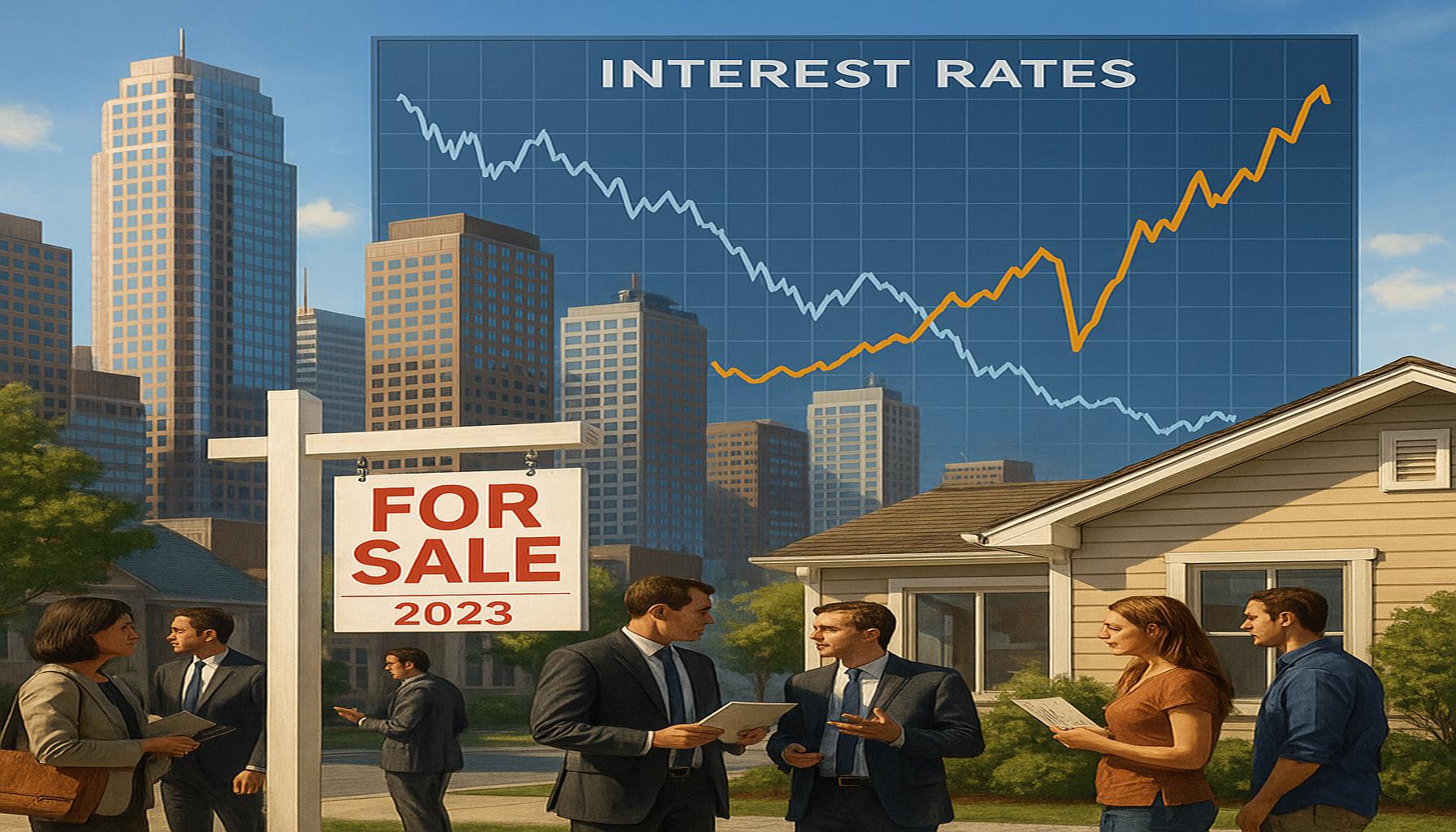
Interest Rates and Currency Fluctuations: Geopolitical events can also influence central bank policies, affecting interest rates. In times of heightened uncertainty, central banks might adopt a more cautious approach to monetary policy, which can have a direct impact on market liquidity and investment decisions. As interest rates shift, currencies also fluctuate; for example, the U.S. dollar tends to strengthen during geopolitical crises as investors seek safety in what they perceive to be a stable currency. This can lead to varying consequences for U.S. companies that rely on foreign sales.
Overall, understanding the immediate effects of geopolitical tensions on financial markets allows investors to make more informed decisions during crises. Recognizing patterns in market behavior and being aware of the potential short-term shocks helps focus attention on key sectors and indicators that may be impacted.
DISCOVER: Click here to learn how to apply
Long-Term Implications of Sustained Geopolitical Strain
While the immediate impacts of geopolitical tensions on financial markets are often pronounced, the long-term implications can shape market trajectories for years to come. Investors’ decisions during periods of tension can influence not just current stock prices, but also the overall health of markets and economies in the longer term.
Shifts in Investor Sentiment: One of the critical long-term effects of sustained geopolitical tensions is a permanent shift in investor sentiment. Prolonged uncertainty may lead to an aversion to risk, prompting investors to favor more stable, defensive stocks over cyclical ones. For example, during the prolonged tensions surrounding North Korea’s nuclear ambitions, U.S. investors gravitated toward utilities and consumer staples—sectors known for their resilience during market downturns—over technology or discretionary goods. This reallocation can lead to lasting changes in how capital is allocated across sectors, affecting long-term valuations and growth prospects.
Cascading Effects on Emerging Markets: Geopolitical tensions often have cascading effects on emerging markets. For instance, political unrest in one nation may deter foreign direct investment (FDI) across the region, making it difficult for neighboring countries to attract capital. This can lead to a ripple effect where reduced investment hampers economic growth, further destabilizing local currencies and stock markets. A recent example includes the impacts of U.S.-China trade relations, where uncertainties influenced not only Chinese markets but also those of Southeast Asian nations linked to global supply chains.
Commodity Price Volatility: Geopolitical events can lead to fluctuations in commodity prices, which in turn create long-term financial market implications. For example, tensions in the Middle East often lead to fears of oil supply disruptions, driving crude oil prices higher. An increase in oil prices has a cascading effect on transportation and manufacturing sectors as costs rise, leading to inflationary pressures globally. In the United States, this can affect consumer spending, as households may redirect their budgets from discretionary purchases toward essential goods, consequently impacting broader economic growth.
Regulatory Reforms and Policy Changes: Prolonged geopolitical tensions can also prompt changes in regulations and policies, both domestically and internationally. For instance, increased security measures and regulations surrounding international trade could emerge in response to perceived threats, affecting how companies operate across borders. Companies may face additional compliance costs, altering their profit margins and affecting stock performance. In the long run, investors must be alert to how such regulatory shifts can influence investment strategies and market dynamics.
Globalization and Market Integration: Over time, ongoing geopolitical tensions might prompt reevaluations of globalization. As nations reexamine their dependence on foreign markets, supply chains may be reshaped. Companies may prioritize local sourcing and production over international partnerships, which can have significant implications on costs and competition. For investors, understanding this shift is crucial, as it will affect the profitability of companies based on their adaptability and resilience to change.
In essence, while short-term responses are often reactions to immediate events, the longer-term implications of geopolitical tensions create a more complex landscape for financial markets. Recognizing these trends allows investors to better position themselves and anticipate future shifts in market dynamics.
DIVE DEEPER: Click here to enhance your financial skills
Conclusion
In summary, the effects of geopolitical tensions on financial market fluctuations are profound and multifaceted, extending beyond immediate disruptions to long-term shifts in market dynamics. The propensity for investors to react to uncertainty often results in a reassessment of risk, leading to a preference for stable sectors over more volatile options. As seen in various scenarios, such as the tensions surrounding North Korea or fluctuations in U.S.-China trade relations, these preferences can significantly impact capital allocations and influence valuations.
Furthermore, the cascading effects on emerging markets highlight the interconnectedness of the global economy. A single event can deter investments in one nation, ultimately destabilizing neighboring economies and currencies. This interconnectedness further exacerbates the volatility of commodity prices, impacting inflation and consumer behavior in developed nations, including the United States.
As geopolitical tensions persist, we may see regulatory shifts that influence trade and operational practices, creating a new landscape that investors must navigate carefully. Additionally, reconsiderations of globalization could lead companies to rethink supply chains, emphasizing local production and sourcing over international partnerships.
For investors, staying informed and adaptable is crucial in anticipating these changes. By understanding the nuances of how geopolitical factors influence financial markets, one can better strategize to meet the challenges and opportunities that lie ahead. The ripple effects of such tensions remind us that awareness and foresight are indispensable for navigating the complexities of today’s financial environment.