Tips for Building a Good Credit History in New Zealand
The Importance of Credit History in New Zealand
Establishing a solid credit history is foundational for maintaining financial health in New Zealand. A strong credit report not only influences your capacity to obtain loans and mortgages, but it can also affect renting decisions and even the types of insurance policies you might qualify for. For instance, landlords often review credit reports as part of their tenant screening processes, seeking assurance on a potential tenant’s reliability and financial responsibility.
Key Elements in Building a Good Credit History
Understanding the mechanisms of credit is vital for anyone looking to enhance their financial standing. Here are several fundamental elements that contribute to a positive credit history:
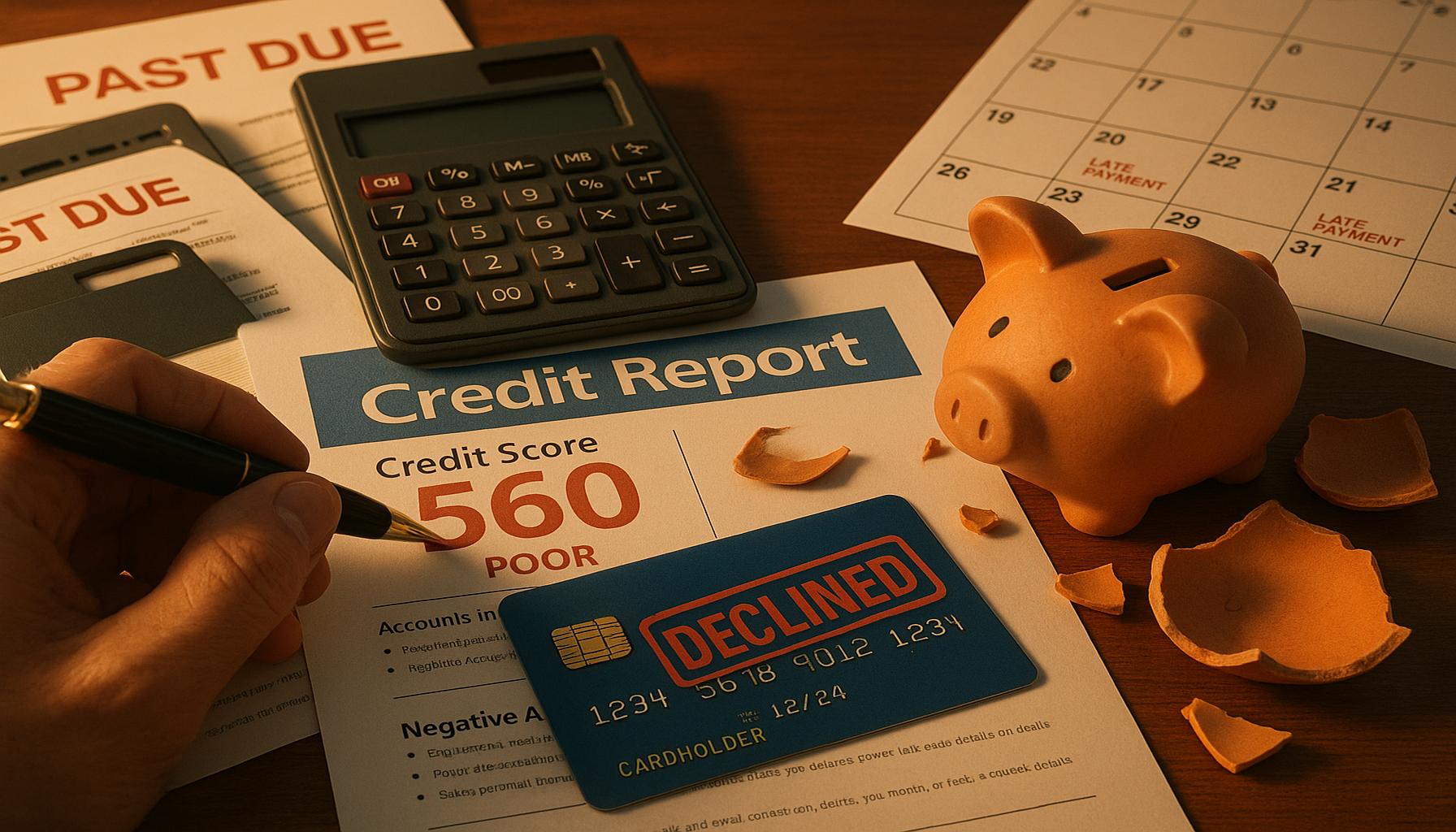
- Timely Payments: Consistently paying your bills on time is perhaps the most critical factor in maintaining a good credit score. Late payments can stay on your credit report for up to five years, damaging your credibility. For instance, if you miss a credit card payment, it could lead to a 30-point drop in your credit score. Setting up automatic payments or reminders can help prevent this pitfall.
- Credit Utilisation: This term refers to the ratio of your current credit card balances to your total credit limits. It’s generally recommended to keep your credit utilisation below 30%. If you have a credit card limit of NZ$10,000, aim to limit your spending to NZ$3,000 or less. High credit utilisation can signal financial distress to lenders and may negatively impact your credit score.
- Credit Mix: A diverse array of credit types can bolster your credit profile. This includes a combination of revolving credit (like credit cards) and installment loans (like a personal loan or a mortgage). A mixture signals to creditors that you can manage different types of credit responsibly. For example, someone with both a credit card and a personal loan typically appears more trustworthy to lenders than someone with only one form of credit.
The Role of Credit Monitoring
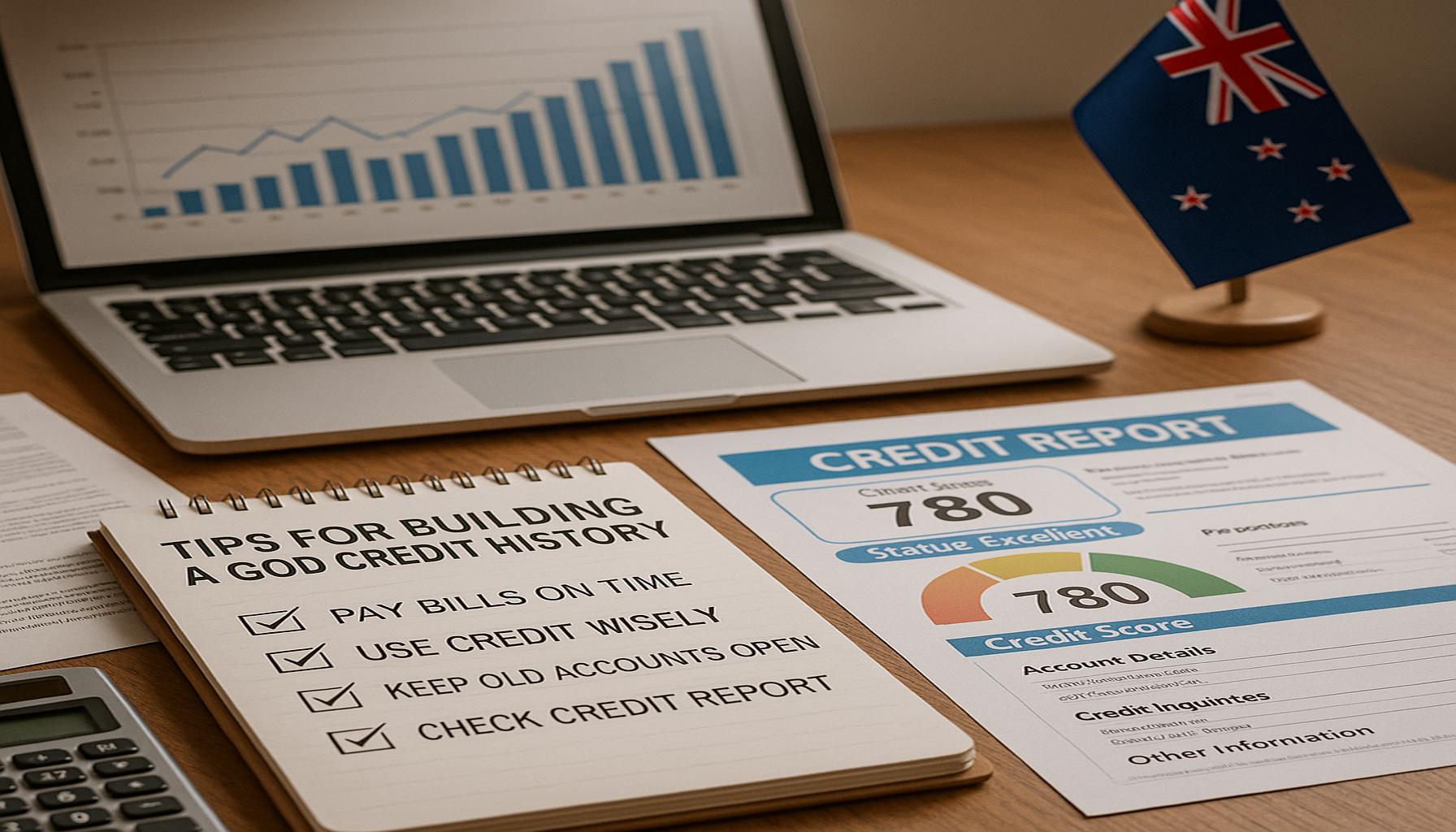
Monitoring your credit report regularly is another critical step in maintaining a healthy credit profile. In New Zealand, several credit reporting agencies, such as Equifax and Centrix, provide access to your credit report for free. Reviewing your report can help you identify errors or signs of fraud early on. For instance, if you notice an unfamiliar account, it may indicate identity theft, and addressing this promptly can mitigate potential damage to your credit history.
Building Your Financial Future
Implementing these practices not only establishes a solid foundation for your credit history but also opens doors to better financial opportunities. Financial institutions tend to offer lower interest rates and more advantageous terms to individuals with good credit scores. For instance, with a good credit score (generally above 700), borrowers might find mortgage rates that are significantly lower than the market average, potentially saving thousands of dollars in the long run.
In conclusion, engaging in proactive credit management through timely payments, optimal credit utilisation, and maintaining a diverse credit mix can significantly enhance your financial profile. By fostering these habits, you’ll not only build a robust credit history but also pave the way for a more secure financial future in New Zealand.
CHECK OUT: Click here to explore more
Essential Strategies for Establishing a Strong Credit History
Building a good credit history in New Zealand requires a strategic approach and a commitment to managing your financial responsibilities effectively. By implementing best practices that influence your credit score positively, you can enhance your financial reputation and open up a world of opportunities. The following strategies are essential for laying the groundwork for a robust credit history:
Maintain a Budget and Track Expenses
Establishing a budget is fundamental for managing your finances wisely. A well-structured budget allows you to monitor your expenses, ensuring that you can always meet your financial obligations. By aligning your income with your expenses, you create a some breathing room to allocate funds for bills and long-term savings. It’s imperative to track your recurring payments—this includes not only loans and credit cards but also utilities and other monthly obligations. Keeping all of these in check will help you avoid late payments, which can severely affect your credit score.
Limit New Credit Applications
While it can be tempting to apply for multiple credit cards to build your credit mix, it’s essential to approach this process cautiously. Each time you apply for new credit, a hard inquiry is made on your credit report, which can slightly lower your credit score. Excessive applications, particularly within a short timeframe, can signal to lenders that you are in financial distress. Instead of applying haphazardly for new credit, consider focused applications based on your needs and assess how each new credit account will contribute positively to your credit history.
Use Credit Wisely
Using credit responsibly is paramount to building a good credit history. This involves not only keeping your credit utilisation below 30% but also being prudent about how you use credit. Here are important guidelines to follow:
- Be Selective About Credit Cards: Choose credit cards that align with your spending habits and offer benefits that suit your lifestyle. For instance, if you travel frequently, look for cards that provide rewards on travel-related expenses.
- Pay More Than the Minimum: While making the minimum payment may prevent late fees, it’s better to pay more than the minimum whenever possible. This reduces your outstanding balance quicker and lowers your credit utilisation ratio.
- Avoid Closing Old Accounts: Your credit history accounts for the length of your credit accounts. Keeping old accounts open—provided they are not costing you in fees—helps maintain a longer average credit age, which is beneficial for your credit score.
Each of these practices enables you to build a foundation of responsible credit use, reinforcing the message to lenders that you are a risk-worthy borrower. Remember, cultivating a good credit history is a long-term commitment, but following these strategies consistently can set you on a path towards financial success in New Zealand.
SEE ALSO: Click here to read another article
Leveraging Credit Types and Understanding Credit Reports
While maintaining a budget and using credit wisely are vital components of developing a good credit history, a comprehensive understanding of different types of credit and the importance of credit reports is equally crucial. These elements interplay significantly in your journey toward building a robust credit profile.
Understanding Credit Types
Different types of credit products can influence your credit score in various ways. In New Zealand, primary credit forms include revolving credit (credit cards) and installment loans (personal loans, car loans, mortgages). It’s generally beneficial to have a mix of both types, as having diverse credit can strengthen your credit history.
- Revolving Credit: Credit cards, which fall under the revolving credit category, allow you to make purchases up to a certain limit and pay the balance over time. A responsible approach with revolving credit involves using the card for regular purchases and paying it off in full each month to avoid interest charges.
- Installment Loans: Mortgages, personal loans, and car loans are examples of installment loans, where you borrow a fixed amount and repay it in fixed installments. These types of credit can enhance your credit history by demonstrating your ability to manage larger debts over time.
The effective use of both types can demonstrate reliability, making you appear less risky to lenders while potentially enhancing your credit score. It’s wise to assess new credit types carefully and understand how they fit within your financial strategy before applying.
Review Your Credit Report Regularly
Your credit report encapsulates your credit history and is a critical factor in calculating your credit score. In New Zealand, you can request a free copy of your credit report annually from major credit reporting agencies such as Equifax and Centrix. Regular reviews are paramount for ensuring the accuracy of your report, as even minor errors can adversely affect your credit score.
- Check for Errors: Look for inaccuracies such as incorrect personal information, accounts that do not belong to you, or erroneous late payments. Addressing these errors promptly can significantly improve your credit score.
- Understand Your Score Components: Familiarize yourself with the factors contributing to your score, such as payment history, credit utilization, and total credit accounts. Each of these areas offers opportunities for improvement. For instance, if you notice that your credit utilization is high, you can take steps to reduce your debt or increase your credit limit.
Seek Professional Advice if Necessary
If you find yourself struggling to manage your credit or if your financial situation becomes overwhelming, don’t hesitate to seek professional advice. Financial advisors or credit counselors can offer tailored guidance based on your circumstances. Services provided may include budgeting advice, debt management plans, and strategies for rebuilding your credit after adverse events, such as bankruptcy or defaults.
It’s also worth considering that many financial institutions and credit providers in New Zealand offer educational resources to help individuals understand credit and improve their financial literacy. Utilizing these resources can empower you to make informed decisions regarding credit management.
Building a good credit history in New Zealand is not solely based on quick fixes or sudden influxes of credit; rather, it is a progressive journey rooted in responsible financial practices, thorough understanding, and strategic management. Implementing these insights effectively can greatly enhance your financial prospects in the long term.
CHECK OUT: Click here to explore more
Conclusion
In summary, building a good credit history in New Zealand is a multifaceted endeavour that requires patience, diligence, and sound financial principles. As you navigate your credit journey, maintaining a healthy budget is fundamental; however, understanding the intricacies of different credit types and effectively managing them can substantially bolster your credit profile. Both revolving credit and installment loans serve unique purposes—leveraging them appropriately can enhance your creditworthiness and increase your financial opportunities.
Moreover, regularly reviewing your credit report acts as a safeguard against inaccuracies that could undermine your credit score. By identifying and addressing any discrepancies promptly, you maintain a clean credit history that reflects your true financial character. A clear understanding of how credit scores are calculated equips you to make informed decisions that positively influence your financial future.
If challenges arise, seeking professional guidance is a prudent step. Financial advisors in New Zealand can offer clarity and customized strategies, especially when faced with volatility in personal finance. Finally, it is imperative to utilize available educational resources from financial institutions to enhance your financial literacy, empowering you to make sound decisions about credit management.
Ultimately, effective credit management is a proactive process. By incorporating these insights and practices, you are not just building a good credit history; you are laying a solid foundation for your future financial well-being. Engage in this journey with commitment and awareness, and the rewards will manifest as expanded opportunities for borrowing and overall financial health.