Sustainable Investment Trends in 2023
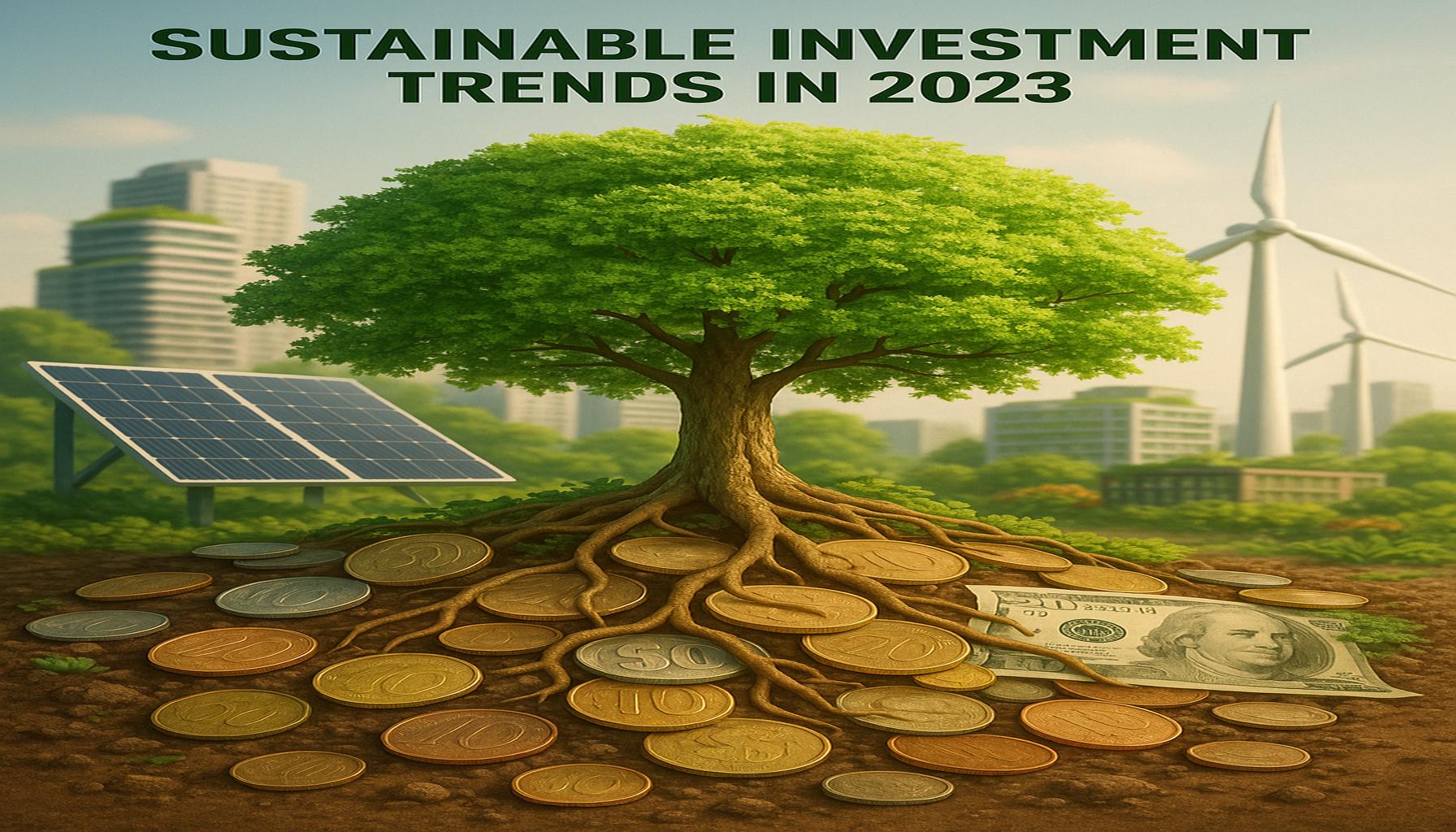
Investment Landscape Shifts with Sustainability
As we advance into 2023, the investment landscape is evolving rapidly, with an increased focus on sustainability. Investors and institutions alike are recognising the need to align their financial goals with environmental, social, and governance (ESG) principles. This shift is rooted in a fundamental reevaluation of investment strategies, as market participants understand that sustainable practices are not only ethically responsible but also financially prudent.
This shift is not just a passing trend but a pressing requirement influenced by various factors, including:
- Regulatory Changes: New legislation across many countries encourages transparent reporting of ESG metrics. For example, New Zealand’s Financial Markets Authority has been proactive in setting guidelines for responsible investment reporting, urging companies to disclose their ESG impacts to maintain competitive transparency.
- Consumer Demand: Growing awareness among consumers drives companies to adopt sustainable practices. Research shows that over 70% of New Zealand consumers prefer to buy from brands that demonstrate a commitment to sustainability. This has led many firms to re-evaluate their supply chains and production methods to meet market expectations.
- Technological Advancements: Innovations make sustainable investments more accessible and efficient. Financial technology (fintech) platforms now allow smaller investors to participate in sustainable investment opportunities, democratizing access that previously favoured larger institutional players.
In the context of New Zealand, sustainable investment opportunities are gaining traction. Recent data indicates that:
- NZ Super Fund: The New Zealand Superannuation Fund has increased its commitment to sustainable assets, targeting a more robust portfolio that emphasizes long-term stability. This fund, valued at around NZD 57 billion, highlights the increasing trend among institutional investors to consider ESG factors in their portfolio construction.
- Impact Investing: There is a notable uptick in impact investments, focusing on positive social outcomes alongside financial returns. For instance, local ventures in renewable energy and sustainable agriculture are attracting significant capital, effectively illustrating the dual benefits of profit and purpose.
- Green Bonds: Increasing issuance of green bonds provides additional financing options for environmentally-friendly projects. In the past year, New Zealand has seen a surge in green bond offerings, with sectors like renewable energy and water infrastructure taking center stage. These instruments not only help finance sustainable initiatives but also cater to investors seeking ESG-compliant assets.
These trends are reshaping the financial landscape and prompting investors to rethink their strategies. Funds that incorporate ESG criteria have historically outperformed traditional funds, demonstrating resilience even during economic downturns. By analyzing the risks and opportunities associated with sustainable investing, individuals and institutions position themselves favorably for future market conditions. Understanding these emerging patterns is essential for navigating the complexities of sustainable investing in 2023, as they highlight the imperative for more conscientious financial decision-making.
SEE ALSO: Click here to read another article
Key Features Driving Sustainable Investment in 2023
In 2023, several key features are emerging as driving factors in the sustainable investment sector, each contributing to the broader acceptance and implementation of ESG principles in investment portfolios. By understanding these elements, investors can better navigate the evolving landscape and make informed decisions aligned with their sustainable missions.
1. Enhanced Data Analytics and Reporting
One of the most significant advancements in sustainable investment has been the improvement in data analytics and reporting tools. Investors now have access to a plethora of data sources that provide insights on the ESG performance of companies. Enhanced analytics allow for comprehensive assessments of risks and opportunities linked to sustainability. According to a report by fund managers, companies with high ESG ratings have shown a stronger resilience against market volatility, yielding investment returns that outperform firms with poor sustainability practices.
The availability of ESG rating agencies, such as MSCI and Sustainalytics, enables investors to evaluate a company’s performance in environmental, social, and governance criteria systematically. This data-driven approach helps to inform decisions on portfolio allocations while eliminating concerns related to ‘greenwashing,’ a practice where companies falsely portray an environmentally friendly image.
2. The Rise of Thematic Investments
Thematic investment strategies focusing on specific sustainability themes are gaining traction. In New Zealand, themes such as renewable energy, climate resilience, and water conservation are witnessing significant investor interest. This is indicative of a broader movement where investors seek tailored investment options that align with their personal values and societal goals.
- Renewable Energy: Investments in solar, wind, and hydroelectric projects are projected to continue growing as technology advances and economies transition to lower carbon footprints.
- Climate Resilience: Companies that invest in adaptive strategies to mitigate climate risks are becoming increasingly attractive for investors, especially in a landscape marked by extreme weather events.
- Water Conservation: With the pressing global issue of water scarcity, firms focused on sustainable water management and innovative technologies are drawing capital investments aimed at preserving this vital resource.
3. Institutional Integrations
Institutional investors, such as pension funds and insurance companies, are increasingly integrating sustainability into their core investment strategies. For example, a recent survey indicated that nearly 80% of institutional investors in New Zealand plan to incorporate ESG factors into their investment decision-making process. This integration is not merely philanthropic but reflects a growing recognition that ESG-inclusive portfolios often exhibit lower volatility and enhanced long-term financial performance.
As more institutions commit to sustainable investing, the resulting capital flows can significantly shape market dynamics. The influence of large institutional players will likely lead to wider acceptance of sustainability metrics among smaller players, creating a ripple effect throughout the investment community.
In summary, as we venture further into 2023, the investment landscape is undeniably being reshaped by advancements in data analytics, thematic strategies, and institutional commitments. By understanding these trends and their implications, investors can effectively harness opportunities while promoting sustainability in their portfolios.
SEE ALSO: Click here to read another article
Innovative Financial Instruments and Market Demand
As sustainable investments continue to evolve, the introduction of innovative financial instruments is becoming increasingly common. This diversification in product offerings allows investors to access sustainability-focused opportunities that align with their risk appetite and investment horizon. In 2023, we observe a distinct trend in the creation and acceptance of new financial instruments tailored to meet the growing demand for sustainable investing.
1. Green Bonds and Sustainability-Linked Loans
Green bonds have emerged as pivotal tools for funding environmentally friendly projects, offering investors a way to support sustainability initiatives while generating steady returns. In 2022 alone, global issuance of green bonds reached a staggering $500 billion, and this trend is projected to continue rising in 2023. New Zealand is not lagging in this movement, with local councils and corporations actively issuing bonds to finance renewable energy projects and eco-friendly infrastructure. For example, the recent Auckland Council green bond issuance raised approximately $300 million to support its climate action plan.
Sustainability-linked loans represent another innovative financial product gaining traction. Unlike traditional green bonds, these loans offer lower interest rates that are tied to a borrower’s achievement of specific ESG targets. In the New Zealand banking sector, major institutions are increasingly offering sustainability-linked loans, incentivizing companies to improve their ESG metrics. As reported by market analysts, the volume of sustainability-linked loans globally is projected to exceed $1 trillion in 2023, a testament to their rising popularity and efficacy.
2. Impact Investing and Social Enterprises
Impact investing is a burgeoning segment of sustainable investment focused on generating measurable social and environmental impacts alongside financial returns. In 2023, the growth of impact-focused funds has been characterized by a surge in capital allocated towards social enterprises that address critical areas such as affordable housing, education, and healthcare within New Zealand. The New Zealand Impact Investment Fund, for instance, is committed to tackling societal challenges while fostering economic growth through targeted investments.
Research indicates that investors are increasingly willing to accept lower financial returns in exchange for the social impacts of their investments. This change in mindset is reflected in recent surveys, which reveal that nearly 67% of New Zealand investors now prioritize social and environmental outcomes when making investment decisions. This trend underscores the urgency for impact funds to not only deliver growth but also ensure tangible benefits to communities.
3. Regulatory Support and Market Encouragement
The New Zealand government has established a series of policies that support sustainable investment, creating an enabling environment for market participants. The Financial Markets Authority’s guidelines on the disclosure of ESG-related data mark a significant step toward transparency and credibility in sustainable investing. In 2023, these guidelines have positioned New Zealand as a leader in responsible investment practices, inspiring similar movements across the Asia-Pacific region.
Furthermore, the task force on climate-related financial disclosures is urging companies to align their reporting with international standards. This regulatory momentum fosters a more robust ecosystem for sustainable investment through the reduction of information asymmetry and enhancement of disclosure practices, ultimately attracting more investors to this sector.
In summary, innovative financial instruments such as green bonds, sustainability-linked loans, and the growth of impact investing are significant trends that are reshaping the sustainable investment landscape in 2023. Coupled with strong regulatory support, these developments demonstrate the increasing sophistication and appeal of sustainable investing within the New Zealand market.
CHECK OUT: Click here to explore more
Conclusion
As we venture further into 2023, the landscape of sustainable investment in New Zealand is experiencing remarkable transformation driven by innovative financial instruments, growing market demand, and robust regulatory support. The ascent of green bonds and sustainability-linked loans exemplifies the financial sector’s commitment to fostering environmental sustainability while providing investors with credible opportunities for stable returns. This innovation, coupled with the surging interest in impact investing, signals a pivotal shift where New Zealand investors increasingly prioritize not just financial gains, but also significant social and environmental impacts.
The compelling statistic that almost 67% of local investors now place social and environmental outcomes above traditional return expectations reflects a fundamental change in investment philosophy. As more capital flows into socially responsible enterprises addressing pressing community issues, the narrative of investment transforms into one where financial performance intersects meaningfully with societal betterment.
In conjunction with this evolving mindset, the Financial Markets Authority’s initiatives to enhance transparency through stringent ESG disclosures are laying a robust foundation for sustainable investment practices. By fostering trust and reducing information asymmetry, these regulations are propelling the market forward, instilling confidence amongst investors and aligning company strategies with sustainable objectives.
In conclusion, the sustainable investment trends of 2023 indicate a burgeoning movement towards integrating financial objectives with societal and environmental responsibilities. As New Zealand continues to lead in this arena, the insights and developments emerging this year will undoubtedly shape the future trajectory of sustainable investing well into the next decade.