Perspectives for the Agricultural Sector and Its Economic Implications
The Role of Agriculture in New Zealand’s Economy
The agricultural sector is undeniably a cornerstone of New Zealand’s economy, contributing significantly to national income and employment. With over 40% of the country’s total exports stemming from agriculture, it is vital to understand the intricate dynamics that shape this pivotal industry. As global markets evolve and climate change continues to exert pressure on traditional farming practices, a closer examination of the industry’s future directions becomes imperative.
Technological Advancements Transforming Agriculture
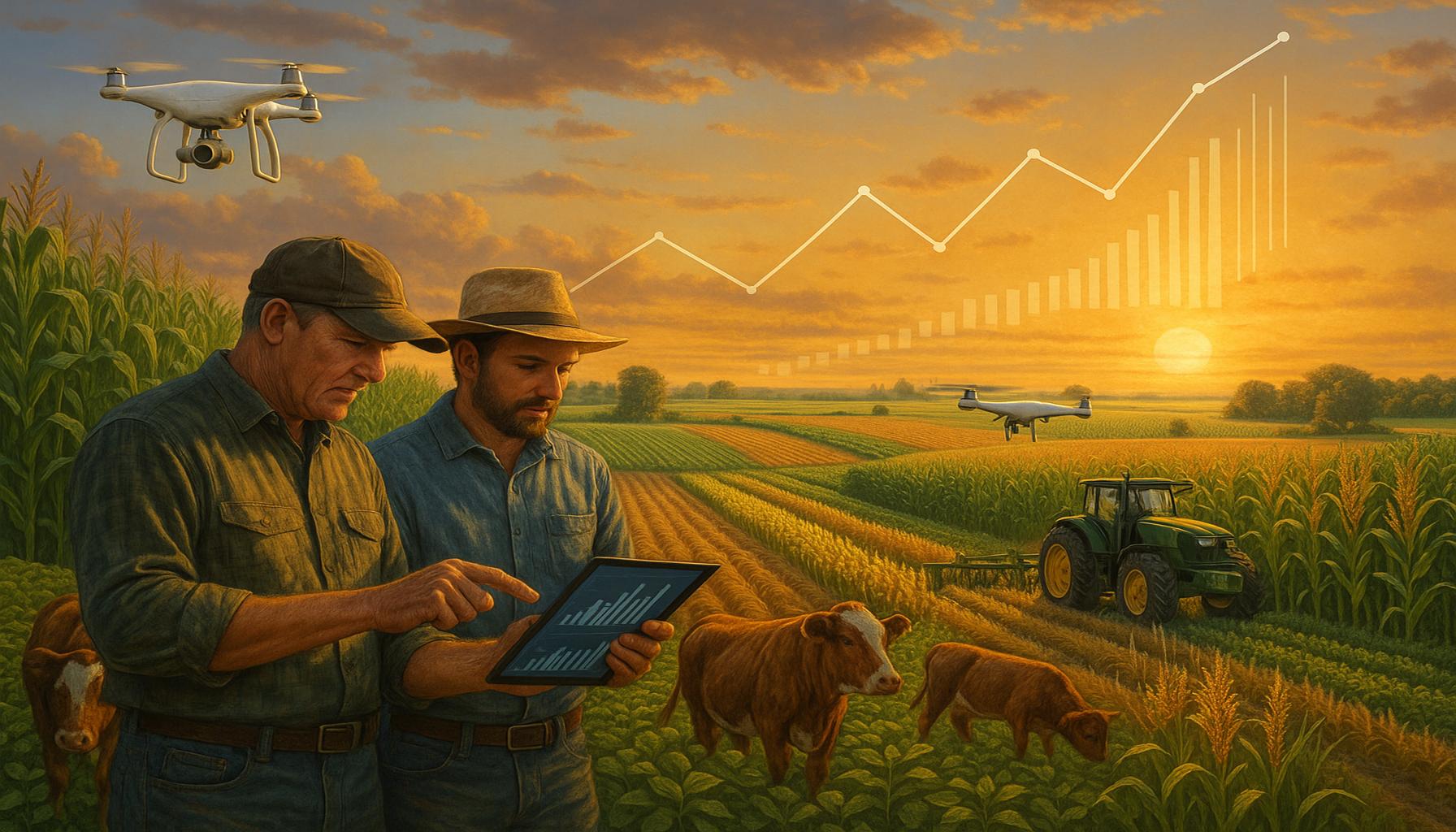
Technological advancements such as precision agriculture, drones, and automation are revolutionizing the way farmers operate. For example, farmers are leveraging satellite imagery and IoT (Internet of Things) devices to gather real-time data on soil health, crop conditions, and weather patterns. This data-driven approach enables farmers to make informed decisions, optimising both yield and resource usage. Moreover, robotics and automated machinery are enhancing productivity by performing tasks that would otherwise require extensive manual labour. As a result, productivity has increased by estimates of up to 30%, leading to improved profit margins and lower production costs.
Shifts in Market Trends
In addition to technological innovations, market trends also play a significant role in shaping the agricultural landscape. The demand for organic products has surged, with consumers increasingly prioritising sustainability and ethical sourcing. In New Zealand, this shift is evident as local farmers explore organic certifications and practices to meet consumer preferences. Furthermore, exports to Asia, especially markets like China and Japan, have expanded significantly. In 2022, New Zealand exported $1.5 billion worth of dairy products to China alone, making it a vital trading partner. This trend not only reflects the changing palate of international consumers but also underscores the importance of adaptability for New Zealand’s farmers.
Environmental Regulations and Sustainability
Environmental regulations are becoming an inescapable aspect of agricultural development. Farmers face increasing pressure to comply with stringent sustainability standards set by both domestic and international bodies. This includes regulations concerning greenhouse gas emissions, water use, and land management. Compliance may result in significant upfront costs, but adhering to sustainability can enhance marketability and long-term economic viability. For instance, many companies are now offering premium prices for sustainably grown products. A research study found that organic dairy farms in New Zealand can achieve up to 20% higher prices per litre compared to conventional dairy farms, highlighting a potential route to profitability through responsible practices.
The Economic Implications of Agricultural Shifts
Understanding these dynamics is not merely academic for stakeholders, including farmers, investors, and policymakers; the economic implications are profound. Changes in agricultural practices can impact everything from supply chains to global competitiveness. For instance, a shift towards sustainable practices could redefine profit margins and attract more investors focused on environmental, social, and governance (ESG) criteria.
Investment trends indicate a growing interest in sustainable agriculture practices, with investment in agritech startups increasing dramatically in recent years. This shift not only signals a movement towards environmentally-friendly farming but also reflects changing attitudes among younger generations who are entering the agricultural workforce. In conclusion, as New Zealand navigates the complex landscape of its agricultural future, a comprehensive analysis of these evolving trends will be crucial. By understanding potential scenarios and their consequences, stakeholders can better position themselves to thrive in an ever-changing environment.
SEE ALSO: Click here to read another article
Financial Impacts of Emerging Agricultural Practices
The transformation within New Zealand’s agricultural sector is not only driven by technological innovation and market demand but also generates profound economic implications that resonate throughout the entire economy. As new practices emerge, farmers must evaluate their financial viability and potential return on investment (ROI) against traditional methods. This analysis reveals several critical factors that influence the decision-making process in adopting novel agricultural practices.
Cost-Benefit Analysis of Sustainable Practices
When examining the financial ramifications of sustainability-focused agricultural practices, a cost-benefit analysis becomes essential for stakeholders. While initial investments in environmentally-friendly technology or organic certification may seem steep, the long-term benefits can outweigh the costs. For farmers, this translates into the potential for enhanced profitability through multiple avenues:
- Higher Market Prices: Organic products often command premium prices. Research indicates that New Zealand organic dairy farms can achieve up to 20% higher prices per litre compared to conventional dairy farms.
- Increased Efficiency: Investments in precision agriculture can lead to reductions in input costs by optimising fertilizer and water usage, resulting in overall lower production expenses.
- Attracting New Consumers: With growing consumer interest in sustainably sourced products, farmers can tap into a niche market that rewards responsible practices.
Comparative Analysis of Conventional vs. Sustainable Farming
To further contextualise the financial implications, it is useful to conduct a comparative analysis between conventional and sustainable agricultural practices. Data suggests that while conventional farming methods may offer lower upfront costs, the long-term economic sustainability often favours sustainable practices. Several key differences are evident:
- Operational Costs: Conventional farming often relies on chemical inputs, which can lead to fluctuating costs based on market prices for fertilizers and pesticides. In contrast, sustainable methods may reduce reliance on these inputs, leading to more stable operational costs.
- Compliance Costs: As regulations tighten, conventional farms may face heightened compliance costs related to environmental impacts. Sustainable farms, however, may find that their proactive measures often lead to reduced regulatory burdens and associated costs.
- Long-term Yield Stability: Studies show that sustainable practices can lead to more resilient ecosystems, enhancing long-term yield stability even amidst climate variability.
Investment Trends and Economic Forecasting
As capital flows towards sustainable agriculture, it is essential to acknowledge the shifting landscape of investment trends. With an uptick in agritech startup funding—reaching an estimated NZD 425 million in the last fiscal year—investors appear increasingly attracted to sustainable agricultural solutions. This growing focus on sustainable investments is particularly appealing to younger investors who prioritise Environmental, Social, and Governance (ESG) criteria when making financial decisions.
The economic implications of these trends highlight a shift not only in agricultural practices but also in investment dynamics. As new entrants enter the market, existing stakeholders must adapt to maintain competitive advantages. In this evolving environment, understanding the financial impacts of embracing sustainable practices can provide farmers and investors with a roadmap to future success.
CHECK OUT: Click here to explore more
Investment and Policy Considerations for Agriculture
As New Zealand’s agricultural sector grapples with the dual challenges of ensuring profitability while adhering to sustainability targets, it is crucial to explore the intersection of investment and policy. Government policies can significantly influence the economic landscape for farmers, affecting both traditional and emerging agricultural practices. By understanding these dynamics, stakeholders can better navigate the financial implications of policy decisions.
Government Subsidies and Support Programs
Government support can play a pivotal role in the financial viability of agricultural investments. Existing subsidy programs, aimed at promoting sustainable agriculture, can lessen the financial burden on farmers adopting new technologies or practices. For instance, the New Zealand government has allocated funding for initiatives that support renewable energy installations or the implementation of sustainable farming techniques. These subsidies can provide farmers with the necessary capital to modernise operations without disproportionately impacting their financial standing.
Moreover, targeted policies can foster innovation by reducing risks associated with market entry for new agricultural technologies. Programs encouraging research and development in areas like regenerative agriculture or permaculture not only align with environmental goals but can also yield economic returns by enhancing productivity and resilience against climate change. Such measures bridge the gap between public policy and individual profitability.
Access to Finance and Risk Management Tools
In a fluctuating market, access to finance remains a crucial determinant for farmers pondering new investments. Financial institutions are increasingly recognising the long-term benefits of sustainable farming practices and beginning to offer tailored products such as green loans, which cater specifically to environmentally-friendly projects. These financial instruments can come with lower interest rates or longer repayment periods, making them an attractive option for farmers looking to innovate.
Additionally, robust risk management tools such as crop insurance and futures contracts can mitigate financial exposure to volatile commodity prices. They enable farmers to secure better financial outcomes in times of uncertainty. For instance, by locking in prices through futures contracts, farmers can safeguard themselves against significant price drops, ensuring a more stable income stream even when market conditions are unpredictable.
Market Demand and Export Opportunities
The burgeoning demand for sustainable and high-quality agricultural products in international markets presents substantial economic opportunities for New Zealand farmers. As premium pricing for organic or sustainable goods becomes the norm, farmers can strategically position their products to capitalise on these trends. The country’s reputation for high-quality dairy, meat, and horticulture gives local producers a unique advantage in garnering attention from discerning export markets, particularly in regions prioritising sustainability.
Data from New Zealand’s Ministry for Primary Industries indicates a growing trend towards sustainable imports, with many of the nation’s primary sectors projected to experience a rise in export values. Hence, farmers equipped with sustainable practices, reinforced through ongoing investment and supportive public policy, are likely to see a marked increase in both domestic and global market shares.
A comprehensive understanding of these market dynamics can inform strategic decision-making and resource allocation, enabling farmers to not only adapt but thrive in an increasingly complex agricultural landscape.
CHECK OUT: Click here to explore more
Conclusion
In light of the evolving demands placed on the agricultural sector, New Zealand stands at a pivotal crossroads where sustainable practice and economic viability are intertwining more closely than ever. The push towards sustainability is not merely an environmental necessity; it is emerging as a lucrative market opportunity that can enhance the profitability of farmers willing to adapt. The integration of robust government policies, innovative financial instruments, and an increasing appetite for sustainable products can create a synergistic effect that propels the agriculture sector into a prosperous future.
As highlighted, government subsidies aimed at sustainable initiatives provide vital support for farmers transitioning to modernized practices. By reducing financial barriers and encouraging innovation through R&D programs, the government can facilitate a transformation that not only improves personal profitability but strengthens the entire sector. This financial backing, combined with risk management tools such as crop insurance and green loans, equips farmers to navigate a volatile market, ensuring stability amid uncertainty.
Furthermore, the growing global demand for sustainably sourced agricultural products presents unparalleled opportunities to enhance New Zealand’s export profile. Farmers that position themselves strategically in this market can greatly benefit from premium pricing structures, ultimately fostering economic resilience. By embracing an informed approach that considers both environmental and financial aspects, stakeholders within New Zealand’s agricultural sector can look forward to a future marked by both sustainability and economic growth.
In conclusion, as the agricultural landscape continues to shift, the emphasis on sustainability paired with sound financial strategies will be crucial in shaping the sector’s future. With collaborative efforts from policymakers, financial institutions, and agricultural producers, New Zealand can capture and capitalize on these transformative opportunities, securing its status as a leader in sustainable agriculture on the global stage.