

How to Create an Effective Budget for a Frugal Life
Understanding the Importance of Budgeting
Creating a budget is fundamental to managing your finances effectively, particularly in a country like New Zealand where costs can vary significantly from one area to another. Effective budgeting allows individuals to navigate these financial landscapes with confidence and foresight, ultimately leading to a healthier financial state.
The Value of Budgeting Tools
Adopting tools and methodologies can enhance your budgeting experience, offering clarity and efficiency. Each budgeting method can cater to different needs:
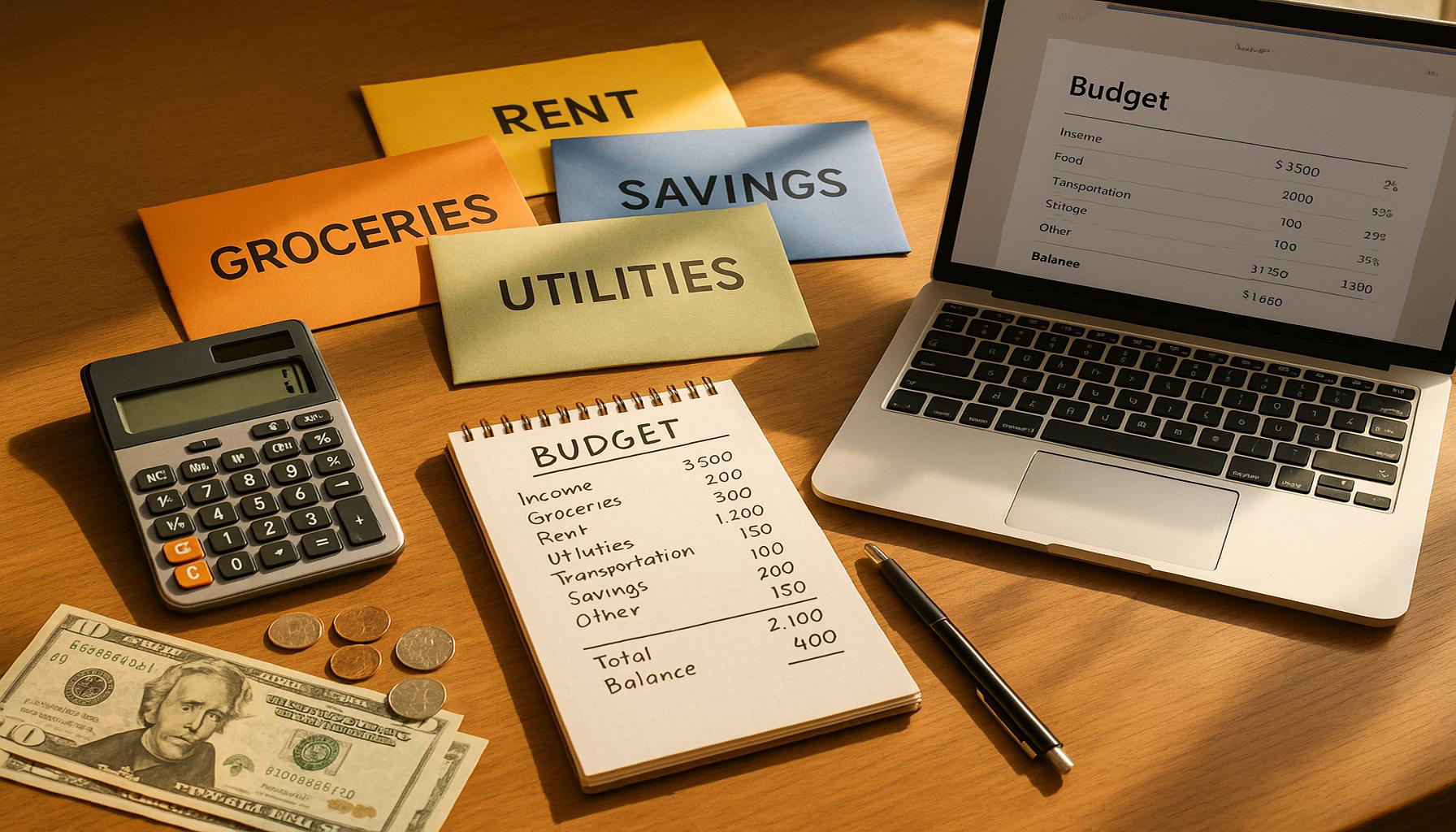
- Spreadsheets: Using customizable spreadsheets allows for meticulous tracking of every dollar spent. You can create categories for essentials like housing, utilities, groceries, and transportation, adjusting your budget according to expense trends. This flexibility is particularly beneficial for individuals living in high-cost areas, like Auckland, where you may encounter fluctuating rental rates and utilities.
- Apps: Numerous budgeting apps, such as PocketSmith or YNAB (You Need A Budget), offer ease of use for those who prefer managing their finances on their smartphones. These tools often come with features that can automatically categorize transactions, providing a quick visual representation of your spending habits, making it easier to identify areas for savings.
- Envelope System: This traditional method involves allocating cash into envelopes marked for specific expenses—such as dining out, groceries, and entertainment. This tangible approach limits overspending because once the cash is gone, there’s no more spending in that category until the next budgeting cycle.
Setting Realistic Financial Goals
Establishing financial goals is essential for motivating oneself to stick to a budget. For instance, if you’re aiming to save for a holiday in Fiji, you might allocate a specific monthly amount toward your travel fund. Make your goals SMART (Specific, Measurable, Achievable, Relevant, Time-bound) to keep your objectives clear. For example, aiming to save $5,000 for a trip within 10 months requires setting aside approximately $500 each month. With precise targets in mind, it’s easier to monitor progress and stay committed to the budget.
The Impact of Debt Management
Debt can be a significant burden, so managing it effectively becomes a crucial aspect of budgeting. By clearly outlining your financial obligations—such as student loans, credit card debt, and personal loans—you can prioritize payments based on interest rates and potential penalties. For example, focusing on high-interest debts first can prevent costly interest accumulation. Additionally, utilizing tools like a debt snowball method, where you pay off the smallest debts first, can provide psychological motivators as you eliminate balances.
The Cost of Living in New Zealand
In New Zealand, the cost of living varies widely across regions. For instance, average rent in Auckland can range from $2,000 to $3,000 per month for a two-bedroom apartment, while cities like Dunedin or Hamilton might only require $1,500 to $2,000 for similar accommodations. Understanding these disparities is crucial for effective budget planning. It is wise to adjust living costs based on your location to ensure your budget aligns with your lifestyle.
Conclusion
Mastering the art of budgeting is not just about keeping track of funds; it’s about strategically managing your financial life to cultivate a more secure future. By embracing tools, setting realistic goals, and understanding your local economic landscape, you can achieve a frugal yet fulfilling lifestyle in New Zealand. With commitment and careful planning, you’ll be equipped to stretch your dollar further while working towards your financial aspirations.
SEE ALSO: Click here to read another article
Utilizing Budgeting Strategies to Achieve Financial Freedom
Creating a budget is not a one-size-fits-all approach; it requires a tailored strategy that suits individual needs and financial circumstances. Exploring various budgeting strategies enables you to find the method that aligns with your lifestyle while maximizing savings. Here are some effective strategies to consider:
- The 50/30/20 Rule: This popular budgeting framework divides your income into three categories: 50% for needs (essential expenses such as housing, food, and transportation), 30% for wants (discretionary spending such as dining, entertainment, and hobbies), and 20% for savings and debt repayment. This method is straightforward, allowing you to quickly assess your spending habits while ensuring that you’re building a financial cushion over time.
- Zero-Based Budgeting: This method assigns every dollar of your income to a specific category, effectively creating a “zero balance” at the end of your budgeting period. It requires accountability, as you need to justify each expense by matching it with a planned category. This method can be particularly useful for someone looking to instill discipline in their spending habits. For instance, if your total income is $3,000 for the month, you might allocate $1,200 for rent, $600 for groceries, and so on, down to the last dollar.
- Percentage-Based Budgeting: While similar to the 50/30/20 rule, here you customize your own percentages based on what works best for you. For example, some individuals may find that they need to allocate more to savings while cutting back on non-essential expenses like entertainment. Reviewing your expense patterns and adjusting the percentages accordingly allows for a more personalized approach.
Assessing Your Income
An effective budget begins with a thorough understanding of your income sources. In New Zealand, it is commonplace to have multiple income streams—whether from a salary, freelance work, or investments. To build a solid budget, it is critical to accurately measure your total monthly income. Make sure to factor in:
- Salary: Include your net income, which is your take-home pay after taxes and withholdings.
- Side Hustles: Freelance work and gigs can provide additional income, but they may fluctuate, so estimate conservatively.
- Passive Income: If you have income from investments, rental properties, or savings accounts, include an estimate of this income as well.
By comprehensively assessing your income, you gain a better understanding of your financial landscape, allowing you to create a realistic budget that aligns with your lifestyle and financial objectives.
Identifying and Tracking Your Expenses
Once you have a clear picture of your income, the next crucial step is identifying and tracking your expenses. Knowing where your money goes can uncover hidden spending patterns and areas for potential savings. Start by categorizing your expenses into two main groups: fixed and variable.
- Fixed Expenses: These are predictable and recurring costs that do not change, such as rent, mortgage payments, or insurance premiums.
- Variable Expenses: These can fluctuate each month, including groceries, utilities, and entertainment costs. Tracking these expenses over time helps highlight opportunities to trim excess spending.
Using apps or spreadsheets to track your expenses consistently will provide insights to adjust your budget accordingly. Understanding your spending behaviors enables you to identify areas for improvement, ensuring that your budget remains both realistic and actionable.
CHECK OUT: Click here to explore more
Creating Saving Strategies to Maximize Your Budget
With a detailed understanding of your income and expenses, the next critical step in creating an effective budget involves implementing saving strategies that can substantially enhance your financial health. Developing a frugal mindset is essential, enabling you to view spending decisions through a lens of long-term benefits rather than short-term gratification. Here are some innovative strategies to consider for maximizing your savings:
- Establish an Emergency Fund: Life is unpredictable; having a financial safety net can help you weather unexpected expenses. Aiming to save at least three to six months’ worth of living expenses is a good benchmark. Allocate a fixed portion of your income each month to this fund until you reach your goal. For instance, if your monthly expenses total NZD 3,000, you should target saving between NZD 9,000 and NZD 18,000 for emergencies.
- Automate Savings: Setting up automatic transfers to your savings account can take the effort out of saving. By prioritizing savings as a non-negotiable expense—just like your rent or mortgage—you create a habit that ensures you are consistently setting money aside for future needs. Many banks in New Zealand allow you to set up automatic weekly or monthly deductions, making it a seamless way to boost your savings.
- Take Advantage of Discounts and Cashback Offers: Utilize loyalty programs, credit card cashback incentives, or apps like New Zealand’s Flybuys or Airpoints to earn rewards on purchases. What may appear as negligible discounts when spending can accumulate over time, translating into substantial savings if used strategically. Be mindful, however, to not only shop based on the incentive; ensure that you are buying items you genuinely need.
- Define “Wants” vs. “Needs”: Differentiate between essential and non-essential expenses. This mental exercise helps create a hierarchy of your expenditures, guiding you on when to indulge and when to cut back. For example, if your monthly entertainment budget is NZD 200, consider reducing it and reallocating those funds to savings or debt repayment, such as paying off high-interest credit cards.
Reviewing and Adjusting Your Budget Regularly
One of the most critical components of an effective budget is the continual review and adjustment process. Financial circumstances evolve, and your budget should mirror these changes accordingly. Every quarter or whenever significant life changes occur, review your budget with a critical eye. Look for:
- Shifts in Income: If your salary increases or you accept a new job, adjust your income projections accordingly. Similarly, if you lose a source of income, be prepared to tighten your budget in response.
- Changes in Expenses: Regularly analyze both fixed and variable expenses. For instance, if your utility bills rise due to increased energy consumption, it may be time to reevaluate your energy provider or home heating practices for possible savings.
- Financial Goals: As you achieve certain goals, such as paying off a loan, redirect those funds to other priority areas, like increasing your emergency fund or investing in retirement savings.
By adopting a proactive approach to your budget, you safeguard against overspending and ensure that your financial plan stays aligned with your goals. Tracking these elements will not only provide insights into your spending habits but also bolster your commitment to financial discipline.
SEE ALSO: Click here to read another article
Conclusion
In conclusion, creating an effective budget for a frugal life is not just about limiting expenses; it’s a comprehensive approach that combines a thorough understanding of your finances, strategic savings, and periodic reviews to adapt to changing circumstances. By meticulously tracking your income and expenditures, you empower yourself to make informed decisions that align with your financial goals. The emphasis on establishing an emergency fund, automating your savings, and leveraging discounts, such as those from New Zealand’s loyalty programs, demonstrates a practical path toward maximizing your financial resources.
Furthermore, distinguishing between your wants and needs is crucial in fostering a disciplined spending habit. This critical analysis encourages more conscious choices that can lead to significant long-term gains. Regularly reviewing your budget ensures that it remains responsive to life changes like salary shifts or alterations in living costs, allowing you to maintain control over your financial situation.
Ultimately, a frugal life doesn’t mean sacrificing quality; rather, it reflects a commitment to smarter spending and saving practices that cultivate a secure financial future. By adopting these strategies and maintaining a proactive approach, you position yourself to not only live within your means but also thrive financially, paving the way for future investments and greater peace of mind. It’s time to take charge of your finances—your frugal lifestyle journey starts with a well-crafted budget.


