How to Build a Good Credit History in New Zealand
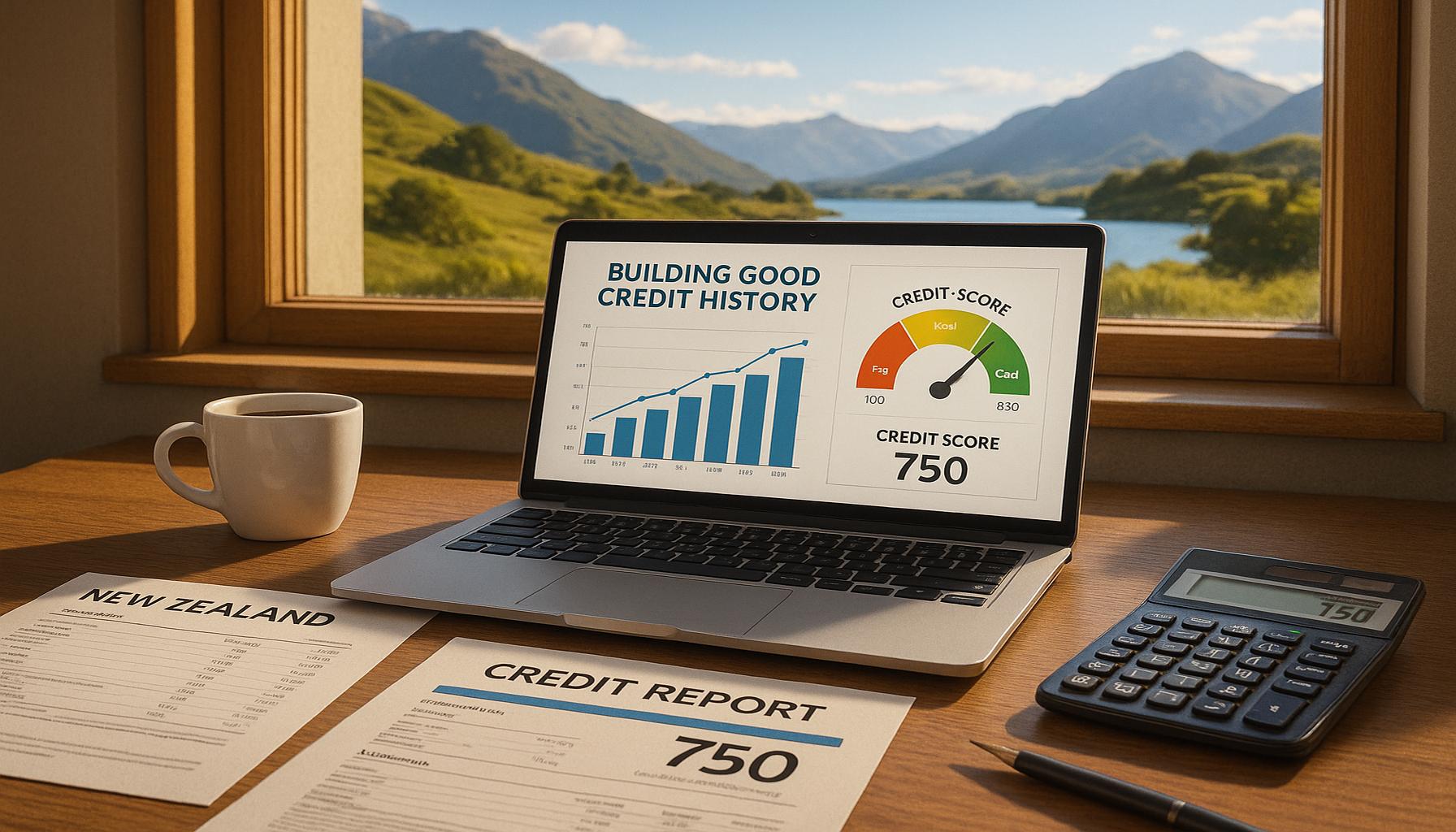
In New Zealand, a solid credit history is essential for achieving financial stability and navigating various financial landscapes. Your credit score is a numeric representation of your creditworthiness, which can significantly influence your financial opportunities. A favorable credit history opens up pathways to easier access to loans, more affordable interest rates, and improved chances of securing rental properties. Conversely, lacking a reliable credit background can seriously limit your financial options, making it crucial to understand and effectively manage your credit profile.
Key Benefits of a Good Credit History
- Easier Loan Approval: Lenders generally perceive applicants with a strong credit history as lower risk. For instance, major banks like ASB or ANZ are more likely to approve personal loans or mortgages for individuals with a credit score above 600. In contrast, a lower score can lead to automatic rejections or prolonged waiting periods, which can be detrimental to time-sensitive financial needs.
- Better Interest Rates: A good credit rating directly influences the interest rates offered by lenders. For example, a borrower with a credit score of 750 may be offered an interest rate of 4% for a mortgage, whereas someone with a score of 580 may face rates exceeding 6%. Over the life of a 30-year mortgage, this difference can result in tens of thousands of dollars in extra payments.
- Enhanced Rental Applications: In the competitive rental market of cities such as Auckland and Wellington, landlords often prioritize tenants with positive credit histories. A strong credit score can provide an edge over other applicants, making it easier to secure desirable housing. For example, a landlord may charge more rent to a tenant with a poor credit score, thus potentially escalating your overall accommodation costs.
Therefore, understanding how to build and maintain this vital financial asset is crucial for anyone aiming to improve their economic standing. Key factors that significantly influence your credit history include timely bill payments, the total amount of existing debts, and your credit utilization rate. It is advisable to always pay your bills promptly, as a single late payment can negatively impact your score for several years. Additionally, managing your credit utilization—ideally keeping it below 30%—is essential, as higher utilization suggests risk to lenders.
To further enhance your credit profile, consider regular monitoring of your credit reports from agencies such as Equifax and Centrix. This not only helps you stay informed but also allows you to identify and rectify any discrepancies that might adversely affect your credit score. By focusing on these aspects, you can pave the way to a brighter financial future in the increasingly competitive environment of New Zealand’s finance and housing markets.
SEE ALSO: Click here to read another article
Building Blocks of a Strong Credit History
To establish a commendable credit history in New Zealand, individuals must adopt strategic financial behaviours and remain vigilant about their credit management. The following key actions can significantly aid in building and maintaining a positive credit profile:
- Consistent Bill Payments: Timely payments are paramount. This includes all types of bills, from credit cards to utility bills. Lenders report your payment history to credit bureaus, and even one missed payment can remain on your credit report for up to five years. For instance, if you fail to pay your credit card bill of NZD 100 by the due date, not only will you incur late fees, but your credit score could drop significantly.
- Utilize Credit Responsibly: It is crucial to understand your credit utilization ratio, which is the percentage of your available credit that you are currently using. To maintain a good credit score, aim to keep your utilization below 30%. For example, if your total credit limit across multiple credit cards is NZD 10,000, try not to carry a balance that exceeds NZD 3,000. High utilization can signal to lenders that you may be reliant on credit, which could impact your ability to secure loans in the future.
- Diverse Credit Types: Having a mix of credit types, such as credit cards, personal loans, and mortgages, can enhance your credit score. It demonstrates to lenders that you can manage different forms of credit responsibly. However, it’s important to take on new credit sparingly, as each credit inquiry can temporarily lower your credit score. For instance, if you apply for a car loan and a personal loan within a close timeframe, the multiple inquiries could negatively affect your score.
- Limit New Credit Applications: Each time you request new credit, a hard inquiry is documented on your credit report, which can reduce your score by a few points. Thus, only apply for credit when necessary, and consider assessing your eligibility with a ‘soft inquiry’ beforehand, which does not impact your score. This careful approach ensures that you are aware of your credit standing before making formal applications.
In addition to these strategies, staying proactive in monitoring your credit report is also essential. Credit reporting agencies in New Zealand, such as Equifax and Centrix, provide individuals the opportunity to review their credit reports periodically. By doing so, you can detect any inaccuracies or fraudulent activities and dispute them promptly. Staying informed about your credit status reinforces your ability to manage your credit history effectively.
Ultimately, building a robust credit history requires discipline and financial acumen. By embracing these practices, New Zealanders can cultivate a credit profile that not only enhances their current financial standing but also supports long-term economic health.
SEE ALSO: Click here to read another article
Advanced Strategies for Strengthening Your Credit Profile
Establishing a solid credit history in New Zealand not only hinges on basic principles but also involves more nuanced strategies that can further bolster your credit profile. These advanced practices can lead to sustainable benefits and significantly influence your credit score over time:
- Regular Review and Correction of Credit Reports: It is not uncommon for errors to appear on credit reports, which can adversely affect a person’s credit score. According to the Privacy Commissioner of New Zealand, consumers are entitled to request a free copy of their credit report once a year from credit agencies. Regularly scrutinizing this report allows individuals to identify inaccuracies, such as incorrect payment histories or unfamiliar accounts. For instance, if an unpaid debt from years ago appears erroneously, rectifying this can lead to a notable score improvement.
- Becoming an Authorized User: If you’re new to credit or rebuilding your score, consider becoming an authorized user on a family member or trusted friend’s credit card. This strategy enables you to benefit from their established credit history. When they make payments on time, your credit score can also see positive effects. However, it is essential that the primary cardholder maintains good credit habits, as any delinquency will also negatively impact your score.
- Use of Personal Loans to Enhance Credit Mix: An effective method to diversify your credit profile is through the use of personal loans. According to data from the Reserve Bank of New Zealand, personal loans are generally less costly than revolving credit forms, like credit cards. By responsibly managing a personal loan—making timely payments and keeping the balance low—you can demonstrate to lenders your capability for handling fixed-rate loans, which can ultimately lift your credit score.
- Consider a Secured Credit Card: For those with limited credit history or a low score, a secured credit card can serve as a valuable stepping stone. Typically, secured credit cards require a cash deposit that serves as your credit limit. This reduces the lender’s risk. Regular usage and timely payments can build a positive credit history over time, making it easier to qualify for unsecured credit options later. According to research by the Government of New Zealand, consumers who utilize secured cards responsibly often see significant improvements in their credit scores within six months.
- Establishing a Positive Relationship with Lenders: Building rapport with financial institutions can be advantageous for your credit history. Approaching your bank for smaller personal loans or overdraft facilities, while demonstrating responsible repayment, can foster trust. Many lenders appreciate consistent customers, and this relationship can lead to more favorable lending terms in the future. Statistics indicate that customers with a history of good repayment often receive better interest rates when applying for larger loans.
- Educate Yourself on Credit Scoring Models: A thorough understanding of how credit scores are calculated—typically based on payment history, amounts owed, length of credit history, new credit, and types of credit—can provide insight into maintaining a high score. Different lenders may prioritize these factors differently. For example, experts suggest being particularly cautious with late payments, as they significantly impact your score, especially within the past 12-month period.
Implementing these advanced strategies requires a commitment to responsible financial behavior and an awareness of your evolving credit profile. By incorporating these refined approaches, individuals in New Zealand can enhance their credit histories, ensuring access to broader financial opportunities and better lending conditions in the future.
CHECK OUT: Click here to explore more
Conclusion
Building a robust credit history in New Zealand is a multifaceted journey that requires a thoughtful approach and a commitment to responsible financial practices. As we have explored, the foundation of a good credit profile lies in timely payments and responsible borrowing, complemented by a proactive strategy of maintaining a diverse credit mix. Utilizing advanced techniques, such as regularly reviewing and correcting credit reports and leveraging secured credit cards, can significantly accelerate improvements in one’s credit score.
Moreover, understanding the intricacies of credit scoring models allows individuals to tailor their financial behaviors to align with lender expectations. For instance, the impact of payment history on credit scores necessitates vigilance, as even one late payment can have long-lasting effects. With the proper knowledge, consumers are better positioned to navigate New Zealand’s credit landscape effectively.
Ultimately, cultivating a good credit history is not merely about score enhancement; it opens doors to improved loan terms, favorable interest rates, and wider access to financial products. As such, a proactive and informed approach to credit management is essential. By consistently applying the strategies discussed, New Zealanders can pave the way to a financially secure future, wherein their credit score serves not only as a reflection of past behavior but as a comprehensive tool for financial advantage.