Healthy and Economical Recipes for a Frugal Diet
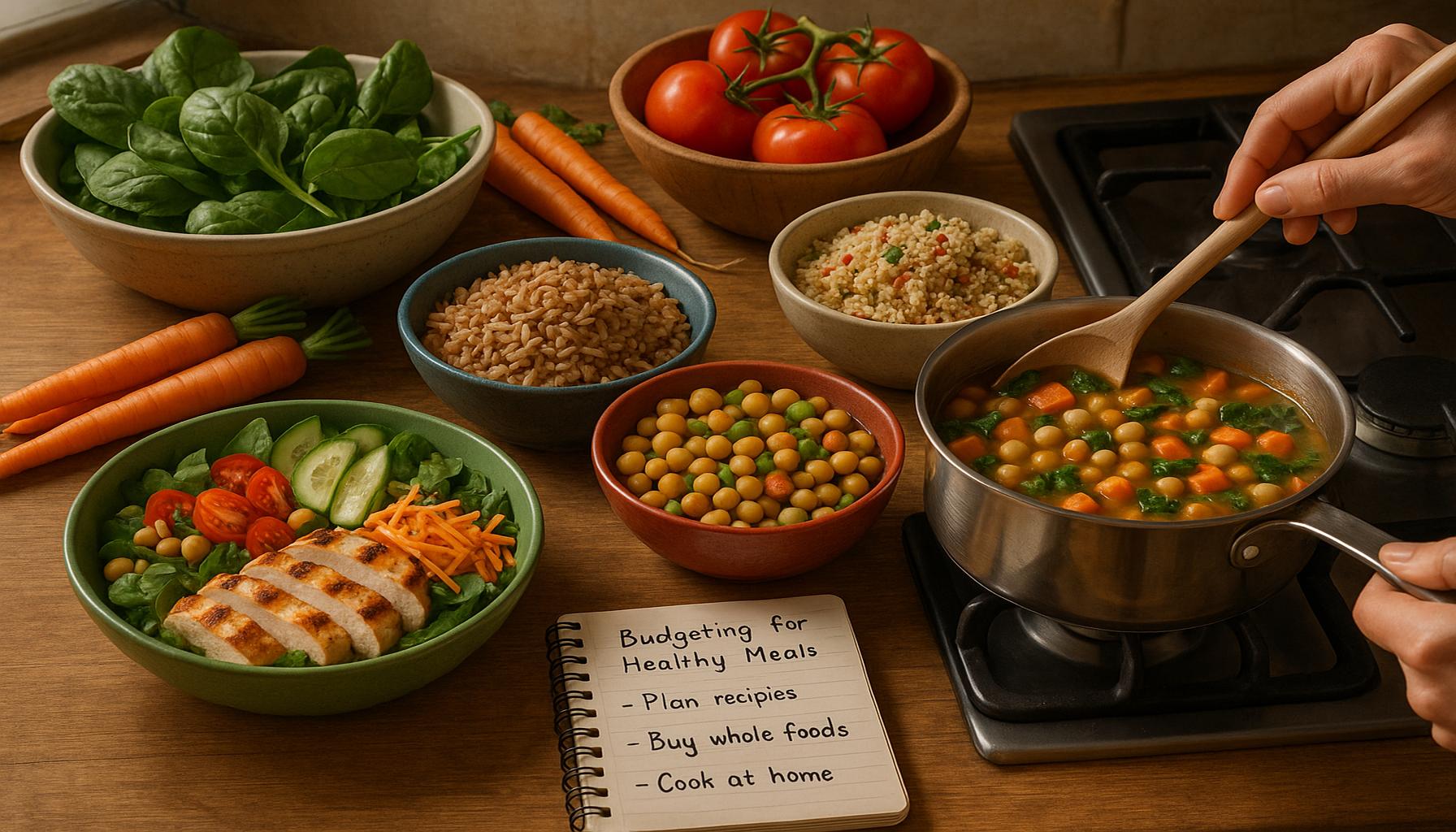
The Need for Affordable Nutrition
In recent years, many New Zealand families have felt increased pressure on their budgets due to rising costs of living. With tight financial circumstances, the need for a healthy diet that doesn’t break the bank has never been more critical. The positive aspect is that it’s absolutely possible to create meals that are both nutritious and affordable. By making informed choices and utilizing local resources, individuals can ensure they are fueling their bodies well without overspending.
Cost-Effectiveness of Smart Ingredient Choices
Understanding the cost-effectiveness of various ingredients is essential for anyone aiming to maintain a healthy diet on a budget. One effective strategy is to incorporate seasonal produce. Seasonal fruits and vegetables are typically harvested at their peak, thus not only enhancing flavor but also reducing costs due to higher availability. For instance, New Zealand’s summer months produce bountiful berries and stone fruits which are often cheaper than imported options and can be preserved for later use.
Benefits of Economical Recipes
By adopting a frugal approach to meal preparation, several advantages emerge:
- Reduced grocery bills: Planning meals around affordable staples such as beans, lentils, and whole grains can drastically lower overall expenditure. A 500g bag of dried lentils can cost approximately NZD 3, providing multiple meals for a fraction of the price of processed options.
- Health benefits: Whole foods are generally richer in nutrients compared to processed counterparts, leading to better long-term health outcomes. This can translate into reduced healthcare costs over time, providing a financial incentive to eat well.
- Family-friendly meals: Many frugal recipes are versatile and can be easily scaled to feed families of all sizes. Dishes like stir-fries or casseroles allow for use of varying ingredients based on what’s on sale or in season, making them both economical and adaptable.
Smart Substitutions for Savings
Another effective way to manage meal expenses is by substituting expensive ingredients with local or more affordable options. For example, while fresh vegetables can sometimes be pricey, opting for frozen vegetables can yield significant savings without sacrificing nutritional value. Frozen options retain their vitamins and minerals and can be purchased in bulk for reduced prices.
Throughout this article, you will find a selection of practical wholesome recipes aimed at maximizing nutrition while minimizing costs. Each recipe is meticulously crafted to ensure that you can enjoy satisfying meals without overspending. By focusing on budget-friendly choices, you will not only improve your financial situation but also enhance your overall well-being.
SEE ALSO: Click here to read another article
Integrating Wholesome Ingredients into Everyday Meals
When it comes to creating healthy and economical recipes, it’s crucial to focus on ingredients that provide both nutritional value and cost savings. Incorporating pantry staples such as rice, beans, and oats can serve as the foundation for many satisfying meals. According to the New Zealand Food Cost Survey, basic pantry items are often the most cost-effective foods available. For instance, a 1kg bag of rice can cost as little as NZD 2.50, offering multiple servings that can easily sustain a family.
To maximize savings while ensuring nutrient density, it’s helpful to understand the nutritional profiles of various ingredients. For example, beans are a fantastic source of protein and fiber while being significantly cheaper than animal protein sources. A 400g can of chickpeas costs around NZD 1.20, whereas similarly nutritious animal-based proteins, like chicken or beef, can run upwards of NZD 10 per kilogram. By replacing meat with beans in recipes such as stews or salads, families can enjoy substantial savings without compromising on nutrition.
Cooking Techniques that Save Time and Money
Adopting efficient cooking methods not only helps save money but also reduces food waste, which is essential for a frugal diet. For example, utilizing a slow cooker or an Instant Pot can significantly cut cooking costs. These appliances allow the use of cheaper cuts of meat and tougher vegetables, which transform into flavorful, tender dishes over time. Preparing large batches of soups or casseroles can stretch meals over several days, thereby saving on energy costs from cooking multiple times a week.
Another technique to consider is the use of meal prep. Preparing meals in advance not only ensures that families stick to their budget but also helps in making healthier choices. By setting aside time each week to prepare balanced meals, individuals can avoid the temptation of buying expensive convenience foods. For instance, cooking a large pot of spicy lentil chili can offer a nutritious, filling meal that can be enjoyed for days or frozen for later use, reducing the likelihood of food waste.
Simple Strategies for Keeping Costs Down
Implementing small changes in shopping and meal preparation can lead to significant savings. Here are a few strategies to consider:
- Buy in bulk: Purchasing staples such as oats, flour, and dried beans in bulk can drastically reduce costs. Many supermarkets and bulk food stores in New Zealand offer discounts for larger quantities.
- Prioritize local products: Supporting local farmers and markets not only helps reduce transport costs but also ensures fresher produce. Seasonal vegetables can often be sourced at lower prices during harvest time.
- Check discount shelves: Supermarkets frequently discount items that are nearing their expiration dates. Identifying these bargains allows for greater savings, especially on perishable goods that can be frozen for later use.
By integrating these strategies into daily routines, families can build a repertoire of healthy, economical recipes that support a frugal lifestyle, proving that eating well doesn’t have to be expensive. The next section will delve into specific wholesome recipes that embody these principles, allowing readers to put theory into practice.
CHECK OUT: Click here to explore more
Wholesome Recipes that Maximize Nutritional Benefits and Minimize Costs
Having established the importance of ingredient selection and cooking methods, it’s essential to delve into specific recipes that exemplify these principles. Several meals can be created to deliver good taste, nutrition, and significant financial savings. Below are a few recipes designed to be both healthy and economical, encouraging families to eat well without breaking the bank.
Vegetable Stir-Fry with Rice and Beans
A vibrant vegetable stir-fry highlights the benefits of seasonal produce while being a budget-friendly option. Using vegetables like carrots, bell peppers, and broccoli, which can often be sourced at lower prices when in season, helps keep costs down. The addition of a 400g can of chickpeas, which costs about NZD 1.20, boosts the protein content without the expense of meat. Serve this colorful stir-fry over 2 cups of cooked rice, which can be made for around NZD 1.00, allowing for a delicious family meal for under NZD 5.00 total, serving four people.
Hearty Lentil Soup
Lentils are one of the most economical sources of protein available, costing approximately NZD 1.80 per kg. A simple lentil soup can be prepared using 1 cup of dried lentils, which translates into about NZD 0.40, along with chopped onions, carrots, and celery. Simmer these lentils with vegetable broth and spices for a fulfilling dish that not only tastes great but can also be prepared in large batches. With calculated costs, a hearty lentil soup can serve six people for about NZD 5.00 total, translating to approximately NZD 0.83 per serving.
Chickpea Salad with Seasonal Vegetables
This refreshing salad provides a perfect solution for using up any leftover vegetables while being rich in fiber and antioxidants. Start with a base of 1 can of chickpeas, costing around NZD 1.20, and mix with chopped cucumbers, tomatoes, and capsicum, which can cost as little as NZD 3.00 when combined. Toss in a dressing made from olive oil and lemon juice for flavor. This salad is not only a nutritious option but also an economical one, with total costs approximately NZD 4.20, providing at least four servings for around NZD 1.05 each.
Simple Potato and Vegetable Bake
A baked dish of potatoes and assorted vegetables makes for an easy and economical meal. Potatoes can cost about NZD 2.50 per kg, and when combined with seasonal vegetables, it creates a filling dish. By layering thinly sliced potatoes with cheaper vegetables like spinach or zucchini, and finishing with a sprinkle of cheese, you can create a satisfying meal for very little cost. Prepared as a casserole, this bake can yield up to six servings for roughly NZD 6.00 total, amounting to NZD 1.00 per serving.
Financial Analysis and Cost Effective Comparisons
In reviewing these recipes, the financial benefits become clear. When compared to traditional meat-based meals, such as a conventional beef stew, which might cost upwards of NZD 15.00 for four servings, the savings from plant-based recipes are significant. Choosing legumes and seasonal vegetables not only enhances health through better nutrients but also reduces meal costs greatly, making a frugal diet an achievable goal for many families.
Investing in basic pantry staples and seasonal produce allows families to enjoy diverse meals without the financial burden associated with processed or expensive foods. Therefore, these wholesome recipes stand as a practical blueprint for anyone seeking to eat healthily and economically.
SEE ALSO: Click here to read another article
Concluding Thoughts on Healthy and Economical Recipes
In summary, adopting a frugal diet that focuses on healthy and economical recipes is not only a sensible financial strategy but also a pathway to improved well-being. The recipes highlighted throughout this article demonstrate that nourishing meals can be crafted from affordable ingredients, particularly seasonal fruits and vegetables, legumes, and whole grains. For instance, dishes such as Vegetable Stir-Fry and Hearty Lentil Soup exemplify how delicious meals can come together without breaking the bank, proving that health-oriented eating doesn’t necessitate costly ingredients.
The financial comparisons drawn between plant-based meals and more traditional meat-centric dishes reveal a striking disparity in costs, with plant-based options often yielding much greater savings. For families striving to reduce their grocery bills while maintaining a nutritious diet, these insights highlight that a well-planned grocery list revolving around economical staples, such as potatoes and legumes, can result in sustained financial and health benefits.
Ultimately, by embracing these wholesome recipes, households can cultivate a diverse and satisfying culinary repertoire that champions both health and economics. As families navigate the challenges of modern living, the shift towards a frugal yet nourishing diet is not only achievable but can also be enlightening, unlock new flavors, and promote greater community sustainability. Engaging with the local food economy, purchasing seasonal ingredients, and preparing meals at home foster a rewarding approach to nutrition that honors both health and wallet. Embrace the transformation of your dining experience through the power of mindful choices—a frugal yet fulfilling diet awaits.