Credit cards and security: how to protect your information
The Importance of Credit Card Security in New Zealand
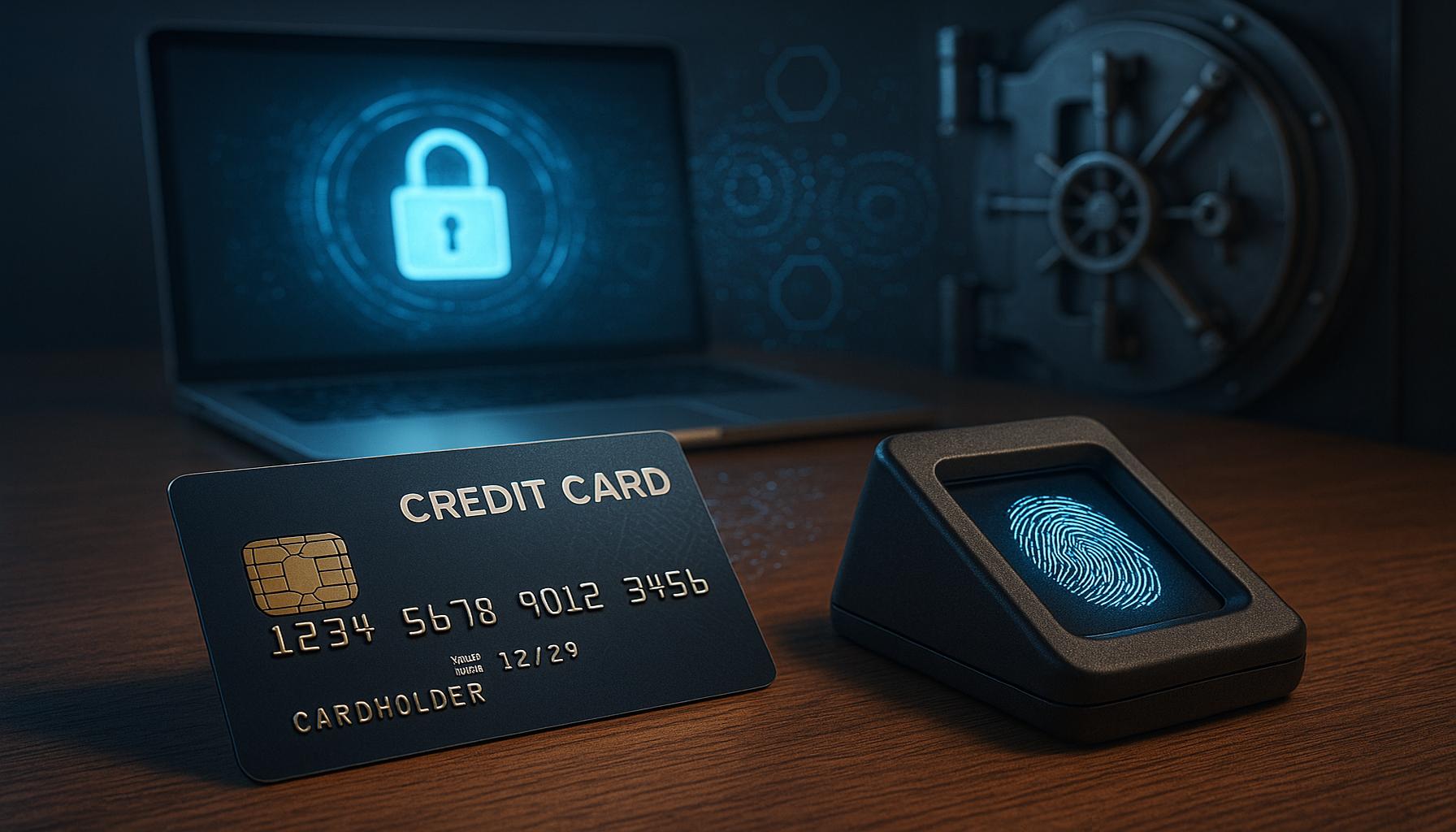
In an age where digital transactions dominate, ensuring the safety of your credit card information has become a critical priority. The convenience of online shopping and the growing trend of contactless payments have revolutionized the way Kiwis manage their finances. However, this transition comes at a cost, primarily due to the increased risk of fraud and cybercrime. The necessity of understanding how to protect your credit card details cannot be overstated; it is vital in maintaining the security of your hard-earned money.
Worrying Statistics on Online Fraud
To grasp the urgency of implementing strict security measures, one must acknowledge the troubling statistics surrounding fraud in New Zealand:
- 1 in 5 Kiwis reported being a victim of online fraud in the past year, revealing just how widespread this issue has become.
- In 2022, New Zealand suffered losses exceeding $134 million due to various scams, underscoring the heavy financial impact on individuals and the economy.
- Among the wide array of fraud tactics, credit card scams are particularly prevalent, affecting both Australians and New Zealanders alike.
Proactive Measures for Secure Credit Card Use
To combat fraud and enhance your credit card security, it is essential to adopt a strategic approach. Below are key measures that can significantly mitigate risks:
- Monitoring your accounts regularly for unusual transactions is one of the most effective methods. For example, if you notice a charge for a transaction you did not initiate, report it immediately to your bank.
- Using secure passwords is crucial. Opt for complex passwords that combine letters, numbers, and special characters. Additionally, enabling two-factor authentication adds an extra layer of security, requiring not just a password but also a secondary verification method, such as a text message confirmation.
- Shopping only on trusted websites can prevent many common scams. Always look for secure connection indicators, such as URLs that begin with “https://” and recognizable security symbols. For example, websites of established retailers like The Warehouse or Farmers should be your first choice.
Conclusion
By proactively adopting these financial security strategies, New Zealanders can better protect themselves against potential threats to their credit card information. As online shopping continues to grow in popularity, remaining vigilant and informed is essential. The implementation of effective practices not only safeguards your personal information but also contributes to the wider fight against cybercrime in New Zealand. Taking control of your financial security today can help ensure your finances remain intact in the face of an increasingly digital marketplace.
SEE ALSO: Click here to read another article
Understanding the Risks of Credit Card Fraud
As the digital marketplace expands, so too do the methods employed by fraudsters to exploit unsuspecting consumers. Understanding the risks associated with credit card fraud is crucial for all Kiwis. Credit card scams can take various forms, from phishing emails that trick users into revealing sensitive information to more sophisticated tactics like skimming devices placed on ATMs and gas pumps. Recognizing these threats enables individuals to take proactive measures to protect their finances.
Types of Credit Card Fraud
There are several prevalent types of credit card fraud that New Zealanders must be aware of:
- Card-not-present fraud: This occurs when a thief obtains credit card information online, typically used for purchases made without the card physically being present. It can happen in online shopping environments, leading to significant financial losses.
- Card-present fraud: This type involves the physical theft of a card or the use of cloned cards at POS terminals. Fraudsters can use stolen details or compromised cards to make unauthorized purchases.
- Phishing scams: Cybercriminals often use deceptive emails or fake websites that appear legitimate to acquire sensitive customer information, including credit card details. Victims may inadvertently provide their information, leading to fraudulent transactions.
- Skimming: This technique involves illegally capturing card information using specially designed devices placed on ATMs or card readers. When individuals swipe their cards, the skimmer records the details for later use.
According to the New Zealand Police, credit card fraud has seen a notable increase in recent years, indicating a growing trend in cybercrime. This reality prompts a need for heightened vigilance among consumers as they face evolving threats. Although the convenience offered by credit cards is significant, it also comes with a responsibility to protect personal information zealously.
Practicing Good Cyber Hygiene
In order to safeguard against credit card fraud, adopting sound cyber hygiene practices is essential. The following recommendations serve as a solid foundation for enhancing your security:
- Regularly update your software: Keeping your devices and applications up-to-date can significantly reduce vulnerabilities that hackers might exploit. Regular updates often include security patches crucial for protecting your information.
- Use a virtual private network (VPN): When accessing the internet on public Wi-Fi networks, employing a VPN adds an extra layer of encryption, helping to keep your financial transactions secure from prying eyes.
- Beware of unsolicited communications: Always approach unexpected calls or emails requesting personal information with caution. Legitimate organizations will not require sensitive information via these channels.
By understanding the types of credit card fraud and implementing good cyber hygiene practices, Kiwis can significantly reduce their risk of becoming victims. Awareness combined with proactive measures empowers individuals in the ongoing battle against cybercrime. As the landscape of digital transactions continues to evolve, so too must our strategies for safeguarding our financial information.
SEE ALSO: Click here to read another article
Implementing Security Measures for Credit Card Transactions
While understanding the risks of credit card fraud is essential, taking concrete actions to secure your credit card information is paramount. As the financial landscape becomes increasingly reliant on technology, implementing robust security measures can significantly mitigate potential vulnerabilities, enabling consumers to navigate transactions with confidence.
Utilizing Advanced Security Features
Modern credit cards come equipped with a variety of security features designed to protect consumers during transactions. EMV chip technology is one such feature, providing enhanced encryption during card transactions. Unlike magnetic stripe cards, EMV chips generate a unique transaction code for each purchase, making it extremely difficult for fraudsters to replicate. New Zealand has adopted EMV technology extensively, leading to a notable decline in face-to-face card fraud since its introduction.
Another valuable feature is two-factor authentication (2FA), which adds an additional layer of security during online transactions. Many banks and credit card companies in New Zealand offer 2FA, requiring users to verify their identity with a text message or authentication app before completing a purchase. This extra step can greatly reduce the risk of unauthorized access to your account.
Monitoring Account Activity
Proactive monitoring of your credit card statements is an indispensable practice in defending against fraud. Regularly reviewing transaction histories allows for the immediate identification of any suspicious charges. According to a recent report by Consumer NZ, approximately 50% of Kiwis only check their bank statements monthly, which may delay the detection of fraudulent activity. It is advisable to check your account at least weekly, enabling a quicker response and minimizing potential losses.
Setting up transaction alerts is another effective strategy for account monitoring. Many banks offer services that send notifications via email or SMS whenever a purchase is made, especially if the transaction amount exceeds a set threshold. This can provide peace of mind while also enabling immediate action if a transaction is deemed suspicious.
Choosing the Right Credit Card
When selecting a credit card, consider those that offer robust security features and fraud protection services. Some cards provide features such as zero liability policy, where users are not held responsible for unauthorized purchases if reported in a timely manner. Research indicates that the majority of leading credit card companies in New Zealand now offer this protection, making it a critical factor when choosing a card.
Additionally, some credit cards come with built-in fraud monitoring services that employ artificial intelligence to detect anomalies in spending patterns. These services alert cardholders of potentially fraudulent activities almost instantaneously, thereby contributing to a stronger defense against fraud. The benefits of these advanced features may justify potential annual fees and help you keep your financial data secure.
Educating Yourself and Others
Finally, education plays a vital role in safeguarding personal information. Regularly familiarizing yourself with the latest fraud schemes can further enhance your protective measures. Participating in workshops or online courses focusing on cybersecurity can provide useful insights and strategies for both individuals and businesses in New Zealand.
Encourage friends and family to adopt similar protective practices, fostering a community of informed consumers. Collective vigilance can help thwart fraud and create a culture of security awareness that can extend beyond individual efforts.
SEE ALSO: Click here to read another article
Conclusion: Empowering Consumers Through Vigilance and Education
In the evolving landscape of financial transactions, understanding the intricacies of credit card security is not just prudent—it’s essential. As outlined, implementing advanced security measures such as EMV chip technology and two-factor authentication significantly enhances protection against unauthorized access, making it vital for consumers to take advantage of these features. The data suggests that by actively engaging in practices like frequent account monitoring and setting transaction alerts, individuals can drastically reduce their vulnerability to credit card fraud.
Moreover, equipping oneself with the knowledge of suitable credit card options, including those with zero liability policies, can protect consumers further from potential losses. The emphasis on education cannot be overstated—staying informed about the latest fraud tactics and spreading this knowledge within your community fosters a culture of vigilance that benefits everyone. As research shows, collective awareness leads to stronger defenses against fraud.
Ultimately, by combining technology with proactive monitoring and community education, Kiwis can confidently navigate their financial transactions. Investing the time and effort to understand your credit card’s security features will not only protect your personal information but also empower you to make informed financial decisions. In a world where digital risks are ever-present, being equipped with the right tools and knowledge will not only safeguard your finances but will also create a more secure environment for all.