Impact of inflation on small businesses in New Zealand

Inflation significantly challenges small businesses in New Zealand, impacting operational costs, consumer behavior, access to credit, and wage pressures. To navigate these pressures, businesses must enhance efficiency, diversify offerings, and strengthen customer relationships. Strategic financial management is crucial for maintaining profitability and supporting long-term sustainability in an unpredictable economic landscape.

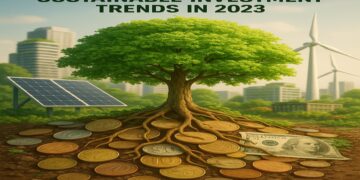
Sustainable Investment Trends in 2023

In 2023, sustainable investment trends are reshaping the financial landscape, driven by regulatory changes, consumer demands, and technology. Investors increasingly prioritize environmental, social, and governance principles, leading to growth in green bonds, impact investing, and innovative financial instruments. This evolution reflects a commitment to ethical, responsible investing.


Analysis of the New Zealand Real Estate Market Post-Pandemic

The New Zealand real estate market has transformed post-pandemic, driven by shifts in buyer behavior, remote work trends, and supply chain disruptions. Buyers favor larger homes in suburban areas, while limited inventory boosts competition and prices. Economic factors like interest rates and inflation further complicate the housing landscape, impacting investment opportunities.

The future of cryptocurrencies in the New Zealand economy

New Zealand's economy is embracing cryptocurrencies, driven by financial inclusion, investment opportunities, and a progressive regulatory environment. As blockchain technology gains traction across industries, challenges like volatility and security persist. Balancing innovation with regulatory frameworks will be crucial for the sustainable future of cryptocurrencies in New Zealand.

How Climate Change Affects the New Zealand Economy

Climate change is significantly impacting the New Zealand economy, affecting key sectors like agriculture, tourism, and insurance. Urgent investments in sustainable practices, eco-tourism, and resilient infrastructure are essential to mitigate potential economic losses, ensuring long-term stability and preserving the country’s unique environmental heritage.

Perspectives for the Agricultural Sector and Its Economic Implications

New Zealand's agricultural sector is at a critical juncture, balancing technological advancements and sustainability demands. The shift towards eco-friendly practices enhances profitability and meets global market preferences. Investment trends and supportive government policies will shape the industry's economic future, driving growth while ensuring environmental responsibility.

Effects of the monetary policy of the Reserve Bank of New Zealand

The Reserve Bank of New Zealand's monetary policy significantly impacts the country's economy by influencing interest rates, inflation control, and exchange rates. These policies affect consumer spending, investment trends, and trade balance, highlighting the balance between stimulating growth and ensuring long-term economic stability. Understanding these effects is crucial for New Zealand's financial landscape.

Challenges and Opportunities for Financial Startups in New Zealand

New Zealand's evolving financial landscape presents significant challenges for startups, including regulatory compliance, market competition, and funding access. However, opportunities abound through technological innovation, consumer demand for personalized solutions, and government support. By embracing collaboration and agility, startups can thrive in this dynamic fintech ecosystem.

Credit cards for students: how to use responsibly

Navigating university life brings financial responsibilities, and understanding responsible credit card use is essential. Students can build a positive credit history by budgeting, paying on time, and managing expenses wisely. Proactive management and education lay the foundation for future financial success, empowering students to enjoy their journey without undue stress.

How to Use Your Credit Card to Your Advantage and Not Become Its Hostage

Learn to use your credit card as a valuable financial tool by mastering effective management strategies. Focus on timely payments, choosing the right card, and setting budgets. Monitoring your spending and maximizing rewards can help avoid debt while enhancing your financial health and credit score for future opportunities.